Leather Skiving in Shoemaking — Why the Edges of an Upper Are Thinned
Skiving is one of the quiet operations that affects how refined an upper looks. It reduces bulk where leather pieces need to fold, overlap or join.
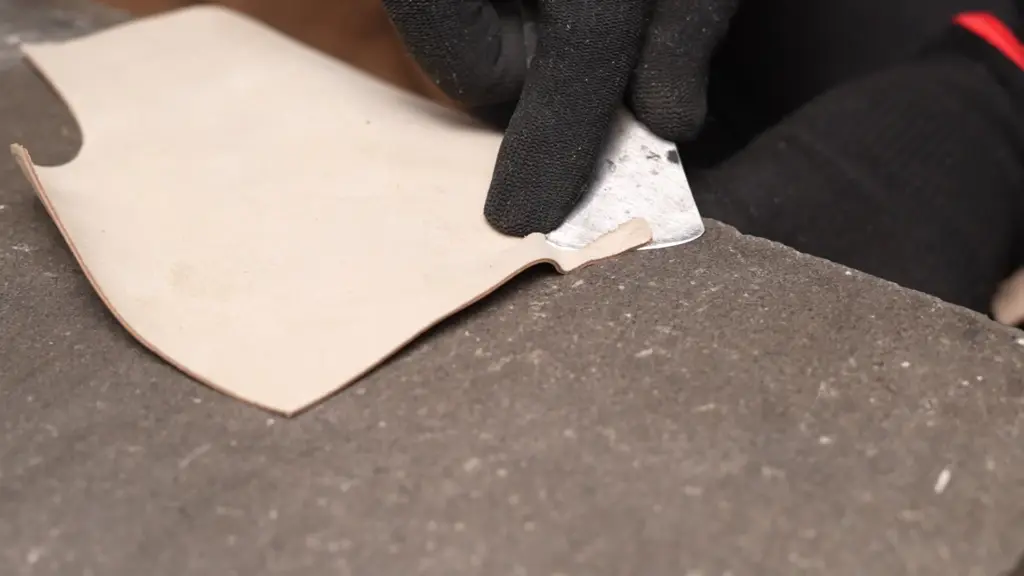
Skiving is controlled reduction, not random thinning. The goal is enough material for strength with less bulk where pieces meet.
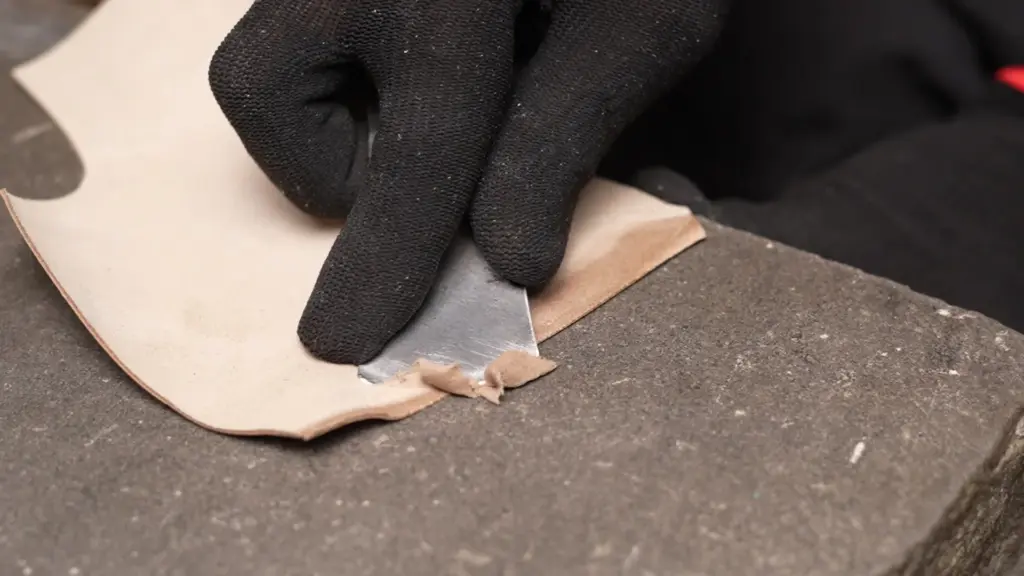
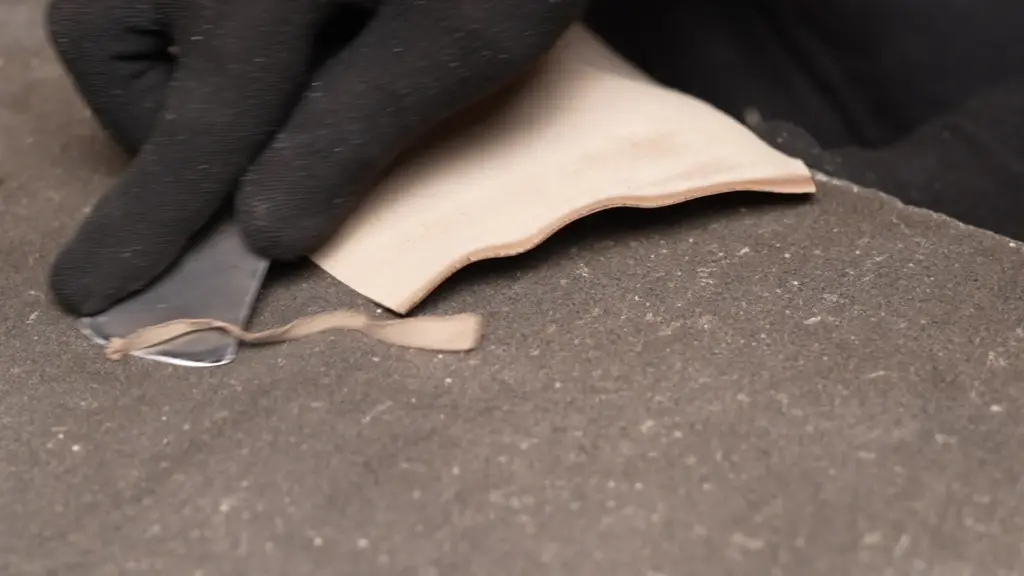
Leather skiving is the controlled thinning of leather, commonly near an edge or a section that will be folded or overlapped. In shoemaking, it helps the maker manage bulk where upper components meet. The intention is to prepare the material for a particular assembly, not to make the whole shoe as thin as possible.
A neatly finished seam or folded edge may depend partly on skiving that you never see in the completed shoe. That makes it useful to understand, but difficult to judge from a product photograph. Skiving is one operation within upper making; its presence alone does not prove that a shoe is comfortable, handmade or superior to another pair.
1. Understand what skiving removes and why
A local change in thickness
Imagine two leather pieces overlapping. Without preparation, the overlap combines the thickness of both pieces and can create a raised step. If one or both edges are thinned appropriately, the transition can be less bulky. That is the basic purpose of edge skiving. The exact profile depends on how the components will be joined.
For a folded edge, reducing thickness near the fold can help the material turn without creating an unnecessarily heavy ridge. For an overlapped seam, a taper may allow the parts to sit more evenly. These are different assembly problems, so there is no single skiving width or angle that is correct for every upper component.
The operation is typically discussed in relation to the material’s reverse side, preserving the intended visible face where the pattern requires it. The maker must still account for the leather’s structure and finish. Removing material carelessly can weaken a section or leave a visible transition. Controlled thinning is a preparation task, not simply cutting away whatever looks thick.
Skiving is not splitting or surface correction
Splitting changes thickness across a broader piece or separates layers. Edge skiving addresses a selected region, often with a taper. Machinery may also support broader surface thinning, which is why equipment descriptions can mention both edge and whole-surface skiving. The purpose and area of the operation matter more than treating every thinning process as identical.
Techsew’s SK-4 specification describes equipment used for edge and whole-surface skiving, including footwear applications. It lists adjustable width and speed. That supports the description of skiving as a controlled operation; it does not establish the settings used by a particular shoe maker or a universal thickness for dress shoes.
Buffing or correcting a grain surface is another distinct process. It changes the outer surface for a different reason. Read our leather label guide for that terminology. Thinning a component’s seam allowance during assembly should not automatically be described as correcting the visible grain of the upper.
| Operation | Main question it addresses | Do not infer |
|---|---|---|
| Edge skiving | How much bulk should remain at a fold or overlap? | That the entire upper is thin |
| Broad splitting or thinning | What thickness should the piece have? | That its visible grain was corrected |
| Grain correction | How is the outer surface prepared and finished? | That seam preparation was done badly |
| Lasting | How is the upper shaped over the shoe form? | That it is another name for skiving |

2. See where skiving fits into upper making
Pattern, cutting, preparation and closing
The upper begins with components defined by a pattern. Those components need allowances for seams, overlaps, folds and attachment. After cutting, selected areas are prepared before the pieces are joined. Skiving belongs within that preparation, alongside other operations appropriate to the design. It depends on the pattern rather than replacing accurate pattern work.
Closing is the stage of assembling the upper components. If an edge must be folded or one piece must sit over another, preparation affects how the joined result looks and feels. A carefully skived edge can help the assembly sit cleanly, but stitching, alignment and material choice remain important. No single preparatory operation guarantees a tidy completed upper.
Lasting subsequently shapes the upper over a form. Our hand lasting guide explains that separate operation. A maker can use a machine for some preparation and manual work elsewhere. The presence of a machine-skived component does not tell you whether the upper was hand lasted or how the sole was attached.
Overlaps and folded edges
At an overlap, the maker balances thickness against the strength needed for the join. Removing too little may leave unnecessary bulk; removing too much may compromise the edge. The correct balance depends on the leather and seam design. A thin-looking edge is not automatically better than one with more substance.
At a folded edge, the leather must turn into a controlled finish. The prepared region needs to be suitable for that fold and the means of securing it. A smooth transition is useful, but so is retaining enough material for the intended service. Evaluating the operation involves both its immediate appearance and the needs of the assembly.
A lining can introduce further layers. Whether a shoe is lined changes the assembly around the foot, but does not eliminate the need to prepare upper edges appropriately. For the broader decision, see lined versus unlined leather shoes. Lining choice and skiving should be understood as related design decisions rather than competing quality labels.
Structural components have their own requirements
Toe and heel reinforcement influence shape and support. They are not simply thick upper pieces that should be skived away until the shoe feels soft. Their preparation depends on their own materials and the construction. Avoid assuming every firm area in a new shoe is evidence that the maker failed to thin the leather.
Our guides to toe puffs and heel counters cover those functions. A shoe can have a flexible vamp while retaining a structured toe and heel. That combination reflects the design of the complete upper, not a uniform decision to make all its parts equally thin.
3. Compare hand and machine skiving sensibly
Different tools can serve the same objective
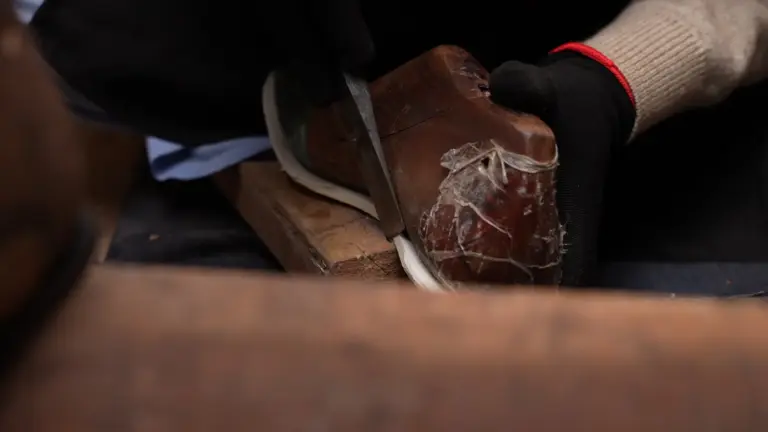
Hand skiving uses an appropriate blade and controlled technique. Machine skiving uses equipment designed to remove material at an adjusted profile. Either approach requires decisions about the area, remaining thickness and transition. The useful distinction is how the result meets the pattern’s requirements, rather than assuming manual work is automatically accurate and machinery automatically careless.
Machines can support consistency and production efficiency. Hand work can allow local adjustment where the maker needs it. A workshop may combine approaches according to component and workflow. Without information from the maker, you cannot reliably identify the method from a neatly finished shoe edge alone.
Historical and current machinery both show that skiving is a recognised manufacturing operation. That does not make a specific machine’s advertised maximum width a footwear design standard. Equipment capability describes the tool; the maker’s settings and judgement determine what happens to the actual component. Keep those two levels of information separate.
Material variation requires judgement
Leather pieces can differ in thickness, firmness and behaviour. The maker must prepare the component in front of them, not merely follow a slogan that thinner is better. A setting appropriate to one leather may be unsuitable for another. The edge profile also has to relate to the stitch line and the way the pieces will meet.
A abrupt transition can create a noticeable step even where material has been removed. A gradual taper can be useful where the design requires it, but the required profile is not always identical. This is why a generic demonstration video is helpful for understanding the motion of skiving but insufficient for judging every finished seam.
Consistency should be assessed across the pair. A tidy edge on one shoe and an obviously irregular counterpart on the other may deserve a question. However, photographs of the exterior may not reveal the concealed preparation. Ask about the visible concern rather than confidently diagnosing a skiving error you have not actually seen.
Handmade is a separate claim
A hand-skived upper does not establish hand welting. These operations occur in different parts of the making process. Likewise, a machine-prepared upper does not establish cemented sole construction. Our hand-welted versus Goodyear-welted guide explains the sole-attachment distinction. Precise descriptions prevent unrelated manual operations from being bundled into one vague quality promise.
If craftsmanship is a reason for your purchase, ask which operations are performed by hand and why they matter to that shoe. An explanation of the actual workflow is more informative than a long list of traditional words. Skiving deserves recognition as skilled preparation without needing to stand in for every other feature of the product.
4. Judge the finished upper without overdiagnosing it
What you can inspect
Look for coherent seams, tidy folded edges and a pair whose visible components align as intended. Feel gently for a prominent ridge if one is causing irritation, but do not pull apart the upper to inspect its hidden preparation. The finished shoe should be evaluated in its normal assembled state, especially while any return or assessment process is still available.
A seam can be visible by design. Some uppers deliberately use raised stitching or pronounced overlapping details. The existence of a ridge is not automatically a manufacturing fault. Compare it with the product photographs and assess whether it is an intended feature or an unexpected irregularity that affects wear.
For an online purchase, inspect the pair before wearing it outdoors or applying care products. Photograph any concern clearly, including an overall view and a close-up. Describe what you observe: a rough interior edge, uneven fold or pressure at a specific seam. That gives the maker better evidence than announcing that the shoes were incorrectly skived.
Comfort has several causes
Reducing unnecessary bulk can help the assembly, but skiving alone does not guarantee comfort. Pressure can come from fit, shape, lining, reinforcement or the position of a seam relative to your foot. If a shoe hurts at the instep, thinning the entire upper would not necessarily solve the underlying mismatch.
Try the shoe with your intended socks and identify where pressure occurs. If the problem is persistent, ask about sizing and alternative shapes. Do not assume a seam will become harmless after enough wear. Our break-in guide separates normal adaptation from problems that should be investigated rather than endured.
Nor is a soft upper automatically better made than a structured one. Different designs serve different preferences. A clean dress shoe may retain shape more deliberately than a relaxed unlined loafer. The useful purchase question is whether the complete design suits your foot and purpose, not whether every part feels equally soft when pressed by hand.
Do not attempt corrective skiving at home
Removing material from a finished shoe can damage the lining, upper or seam. Once a component is assembled, access and support are very different from preparing it on a workshop bench. Cutting into a painful area yourself can turn a fit concern into permanent damage. Seek maker or repairer advice first.
A competent assessment may identify an adjustment, a different size or an unsuitable model. It may also find that a visible seam is normal but poorly positioned for your foot. Those outcomes require different responses. A diagnosis based only on the word skiving skips the information needed to choose responsibly between them.
5. Use skiving knowledge to ask better buying questions
Questions for a maker
If you are discussing a bespoke or custom upper, ask how folds and overlaps are prepared for the chosen leather. Explain any previous irritation at seams. The maker can then consider the pattern and assembly rather than simply promising a thinner upper. Specific information about where a past shoe bothered you is more useful than asking whether the next pair is skived.
For a ready-made shoe, focus on the actual construction description, fit information and available close-up photographs. Skiving is normally a behind-the-scenes operation, so the seller may not present a separate specification for it. That absence does not itself prove poor making. Evaluate the information that can reasonably establish the suitability of the completed pair.
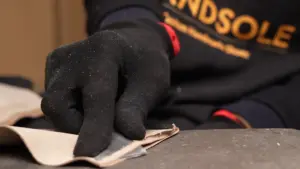
If you watch workshop footage, identify what the demonstration actually shows. An edge being thinned is evidence of that operation, not evidence of how every pair is made or how durable the final shoe will be. Good process education is most useful when it explains the purpose of each step and its limits.
The right level of importance
Skiving matters because material preparation influences assembly quality. It is worth understanding as part of the chain from pattern to finished upper. It should not become an isolated buying test that overrides fit, material selection, construction or the final execution you can actually inspect.
Choose a shoe whose complete design works for you. Appreciate well-managed edges and seams, ask specific questions when something looks or feels wrong, and avoid equating less material with more quality. The objective of skiving is the right thickness in the right place for the intended join.