Handmade Leather Shoes · Direct From Our WorkshopMade-to-Order Shoes · 7–10 Working Days Before DispatchDoesn’t Fit? · Free Remake & Free Return ShippingFit Promise · Contact Us Within 14 Days of DeliveryWide Dress Shoes · US 6–15, Half Sizes & D–EEE WidthsHandmade Leather Shoes · Direct From Our WorkshopMade-to-Order Shoes · 7–10 Working Days Before DispatchDoesn’t Fit? · Free Remake & Free Return ShippingFit Promise · Contact Us Within 14 Days of DeliveryWide Dress Shoes · US 6–15, Half Sizes & D–EEE Widths
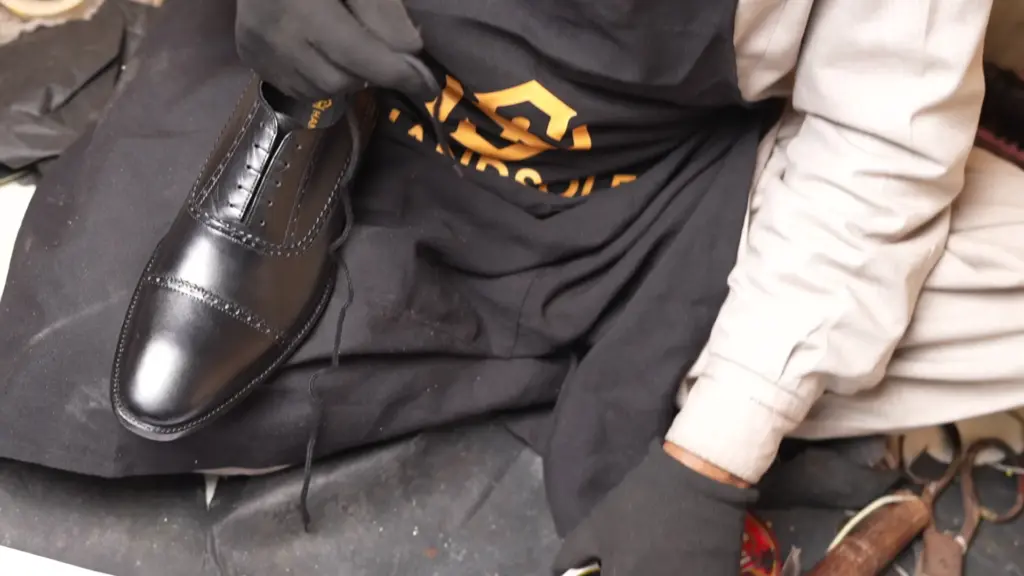
An inside look at the major stages of shoemaking — from last and pattern to lasting, sole construction and finishing. Exact materials and construction vary by design and are stated on each product page.
What actually happens between a design and a finished pair?
The answer is not one magic material or one construction label. Last geometry, leather selection, pattern and closing, lasting, bottom construction and finishing all interact. This page explains those stages. For any shoe you are considering, the product page remains the authority for its actual upper, lining, sole, heel and construction.
01 / 03
01
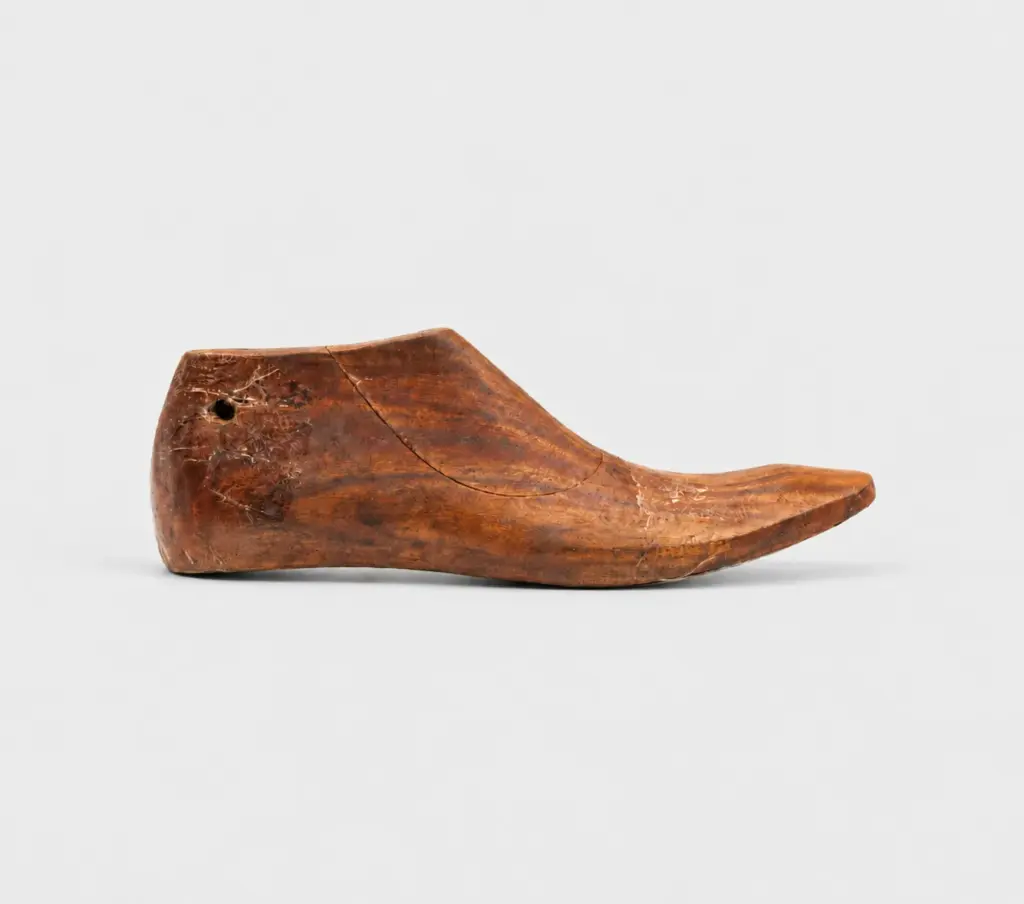
The Last
The Shoe Last — Architectural Foundation of Fit
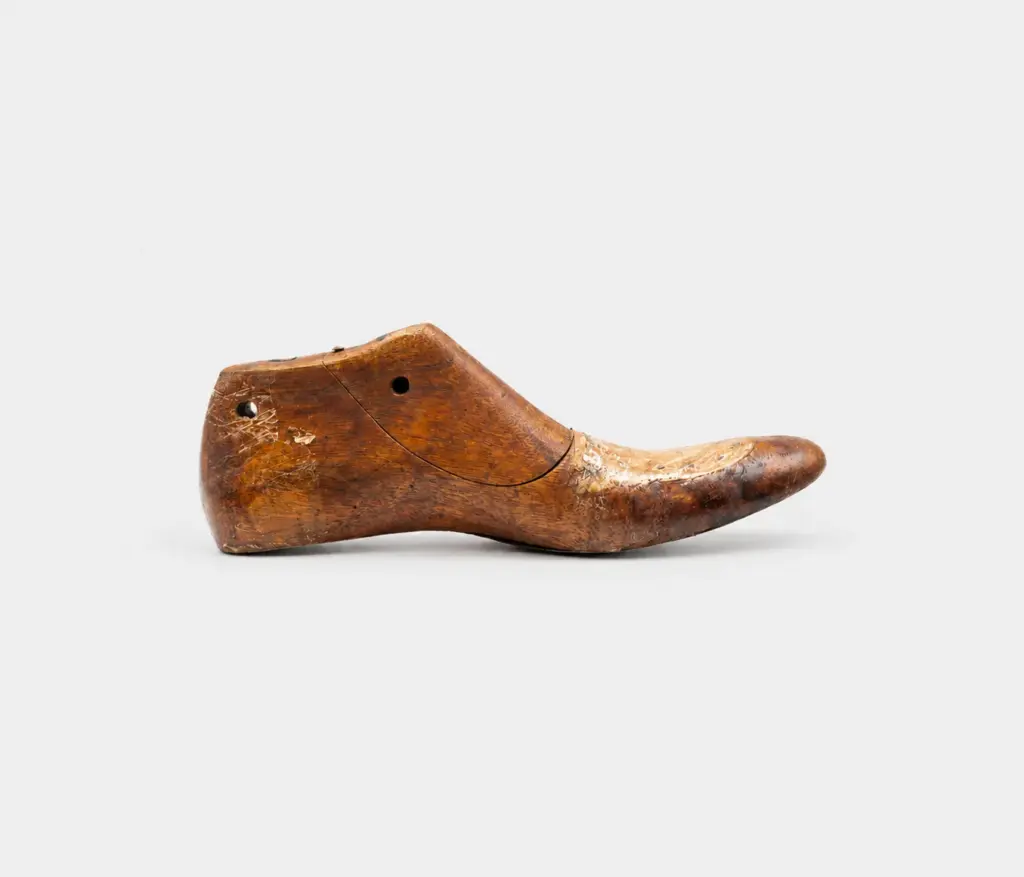
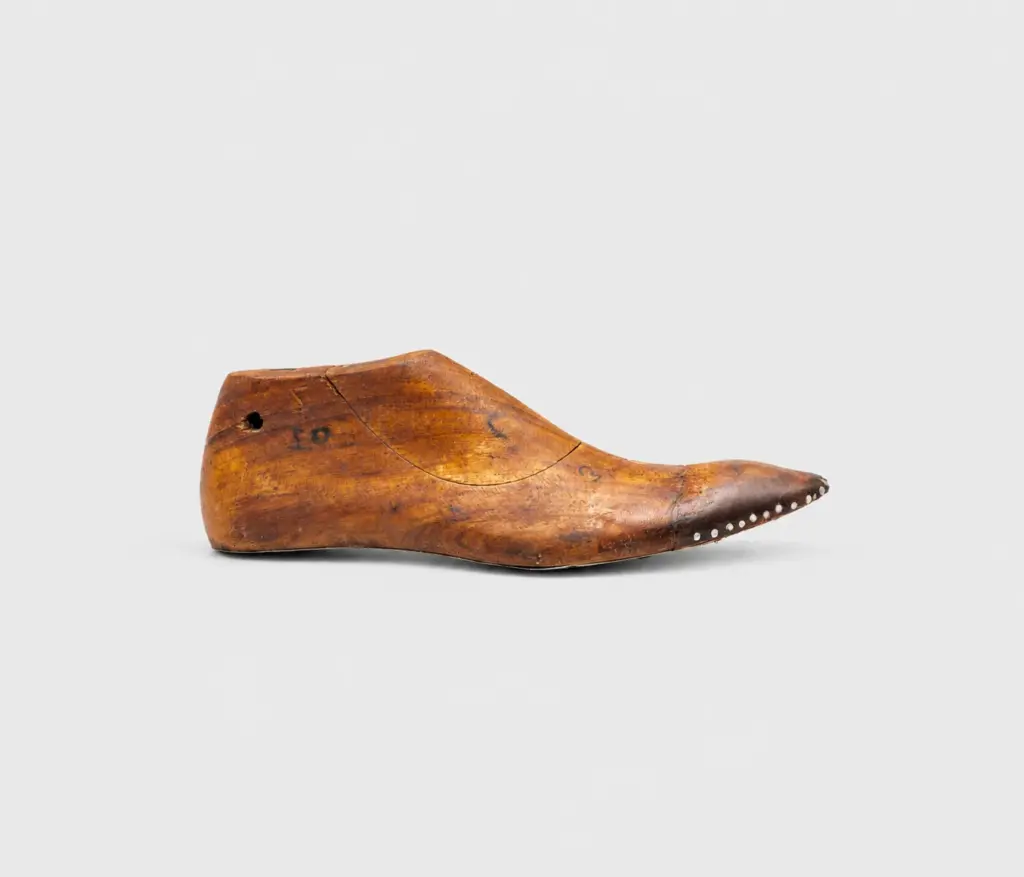
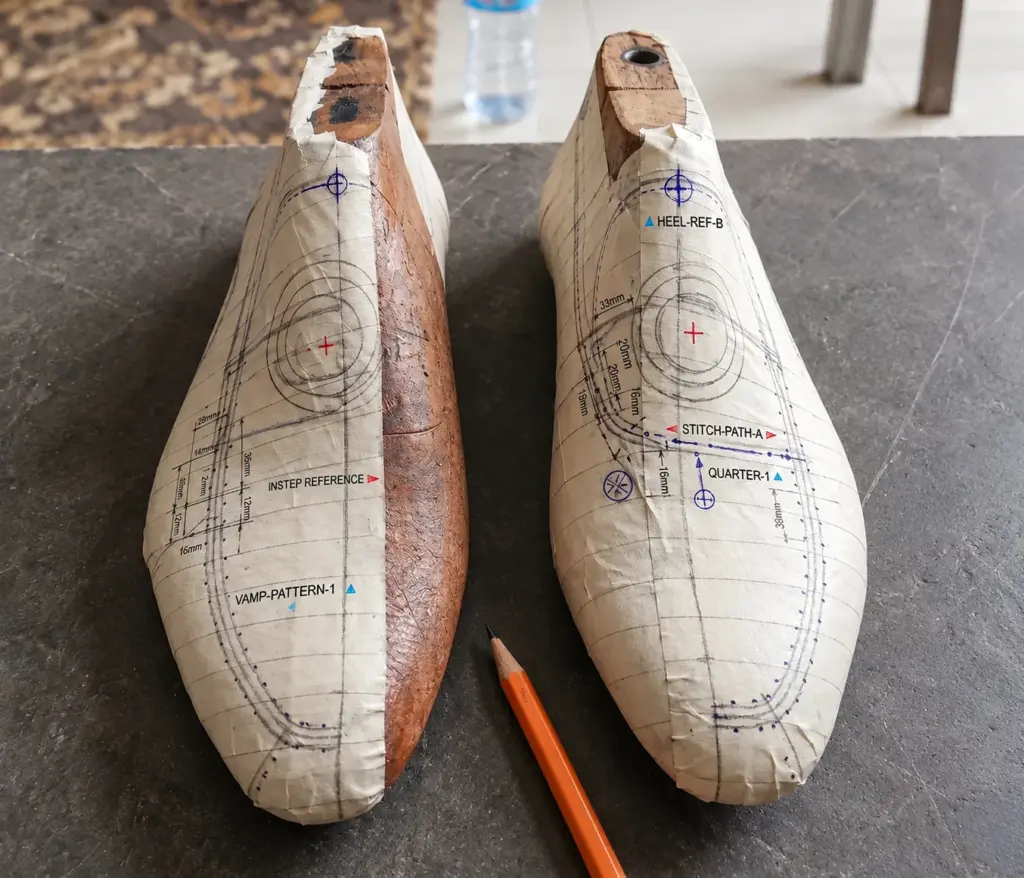
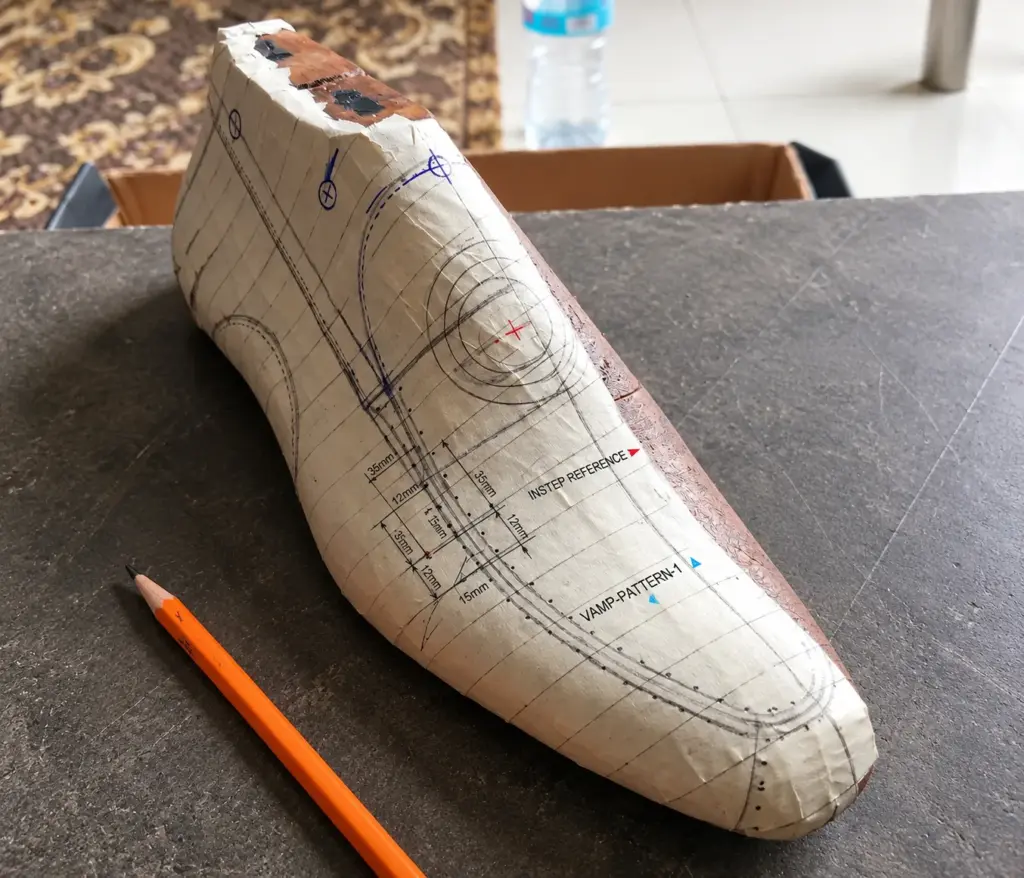
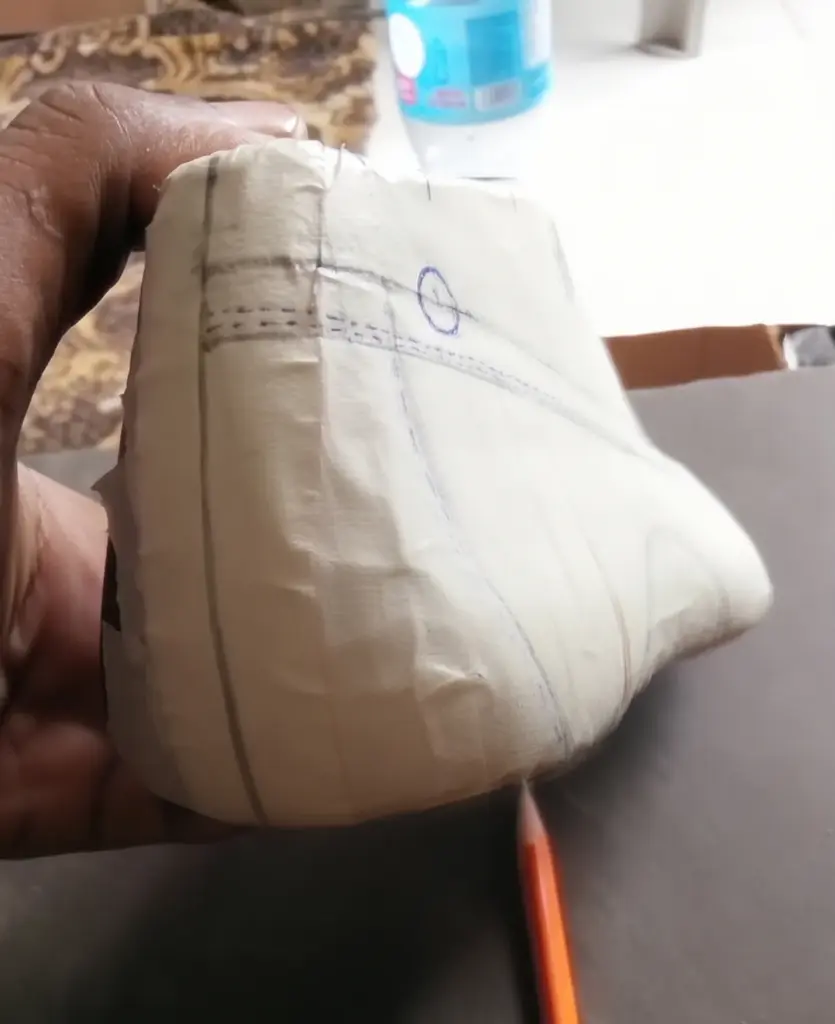
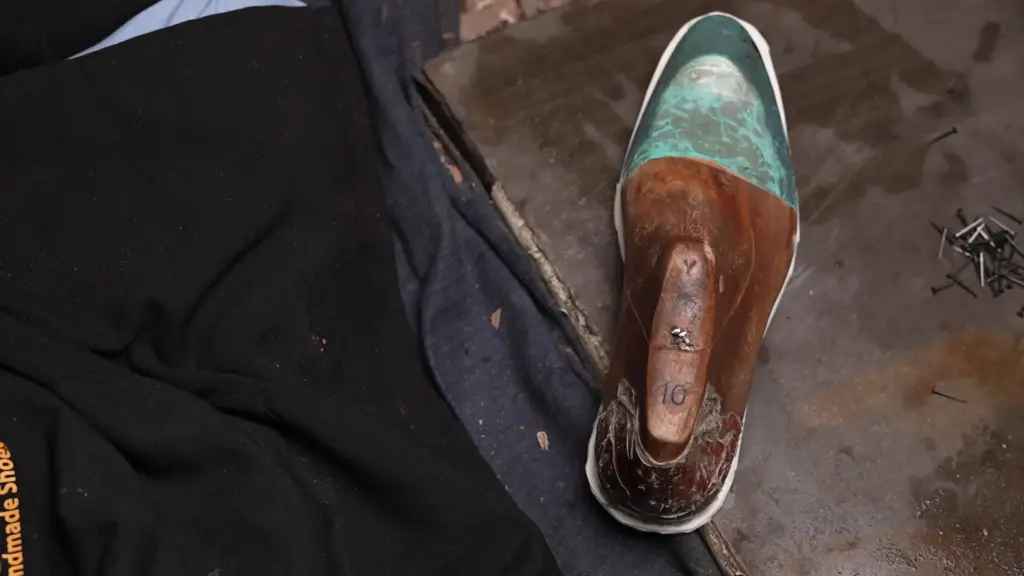
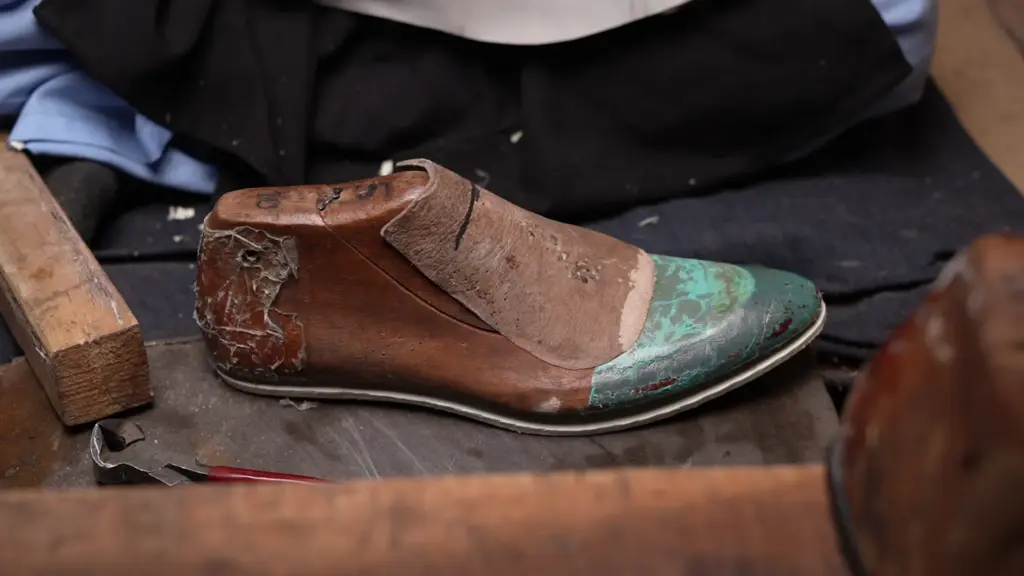
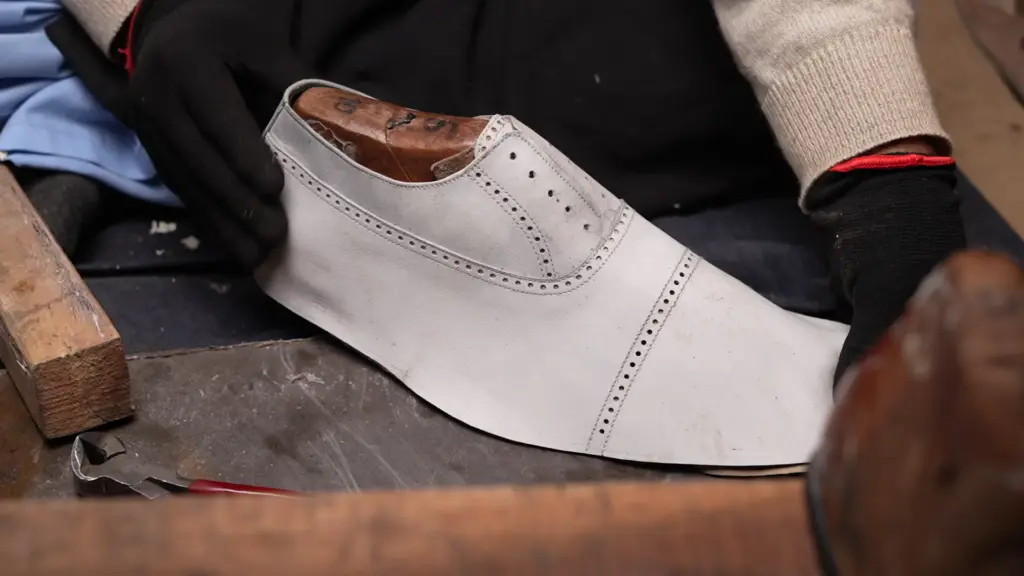
The shoe last is the three-dimensional form around which the upper is shaped. It establishes toe profile, forefoot volume, instep, waist and heel geometry before the finished shoe exists.
Handsole works with five named lasts — Edward, Henry, Arthur, Winston and McKenzie — and standard customer width choices D, E, EE and EEE. Each product identifies the last used for that design. For fit guidance, compare US size, width and last together rather than treating the size number as the whole answer.
02
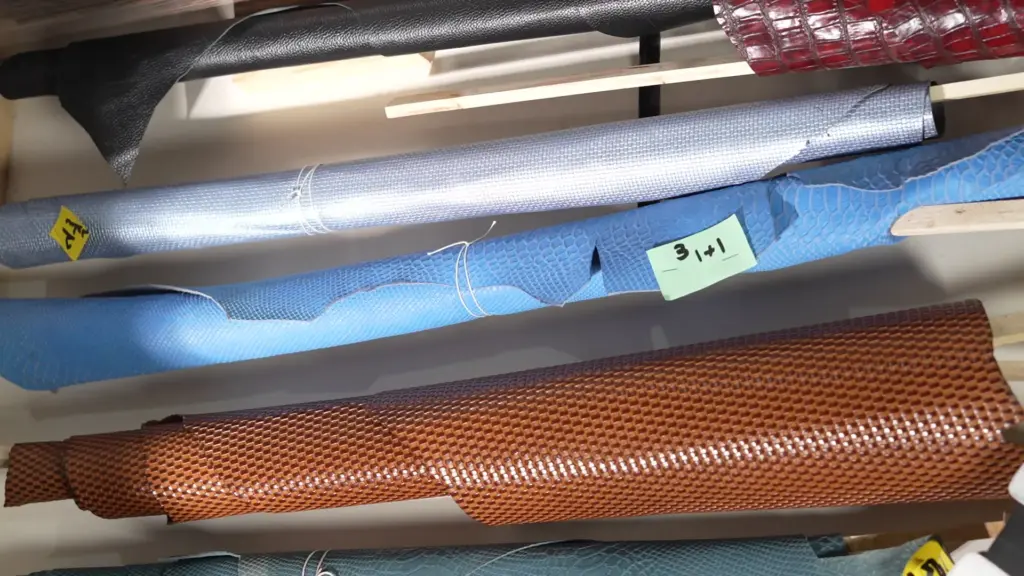
Leather Selection
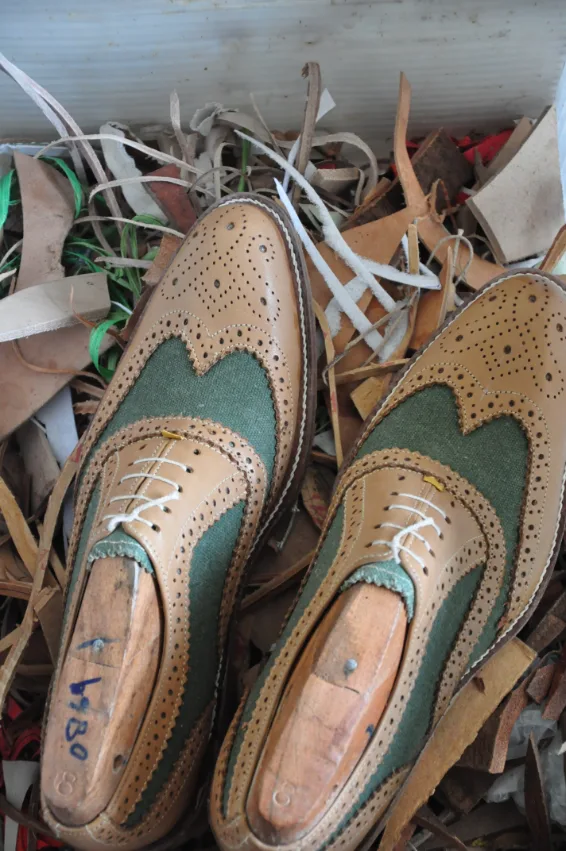
Leather Selected for the Design
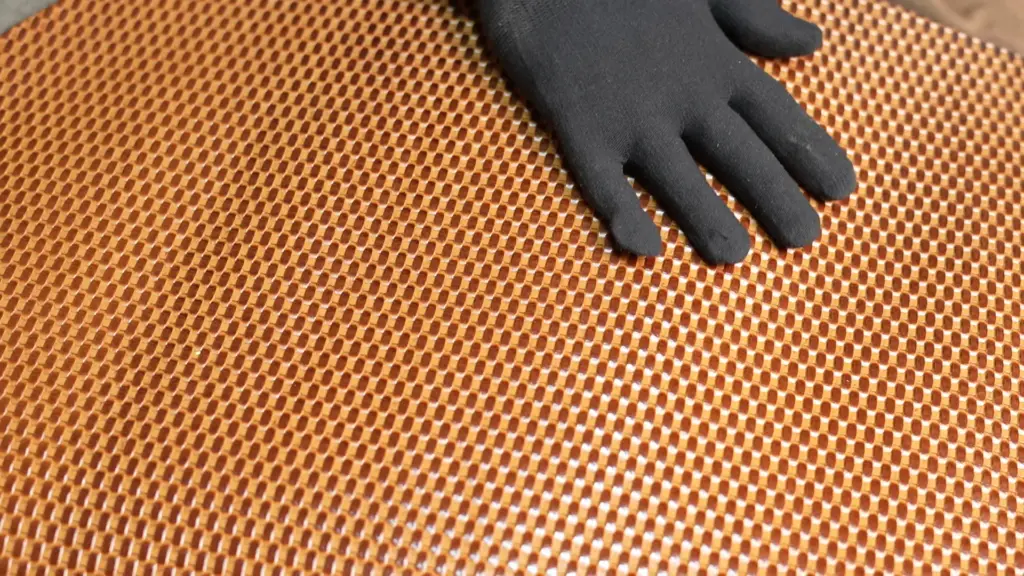
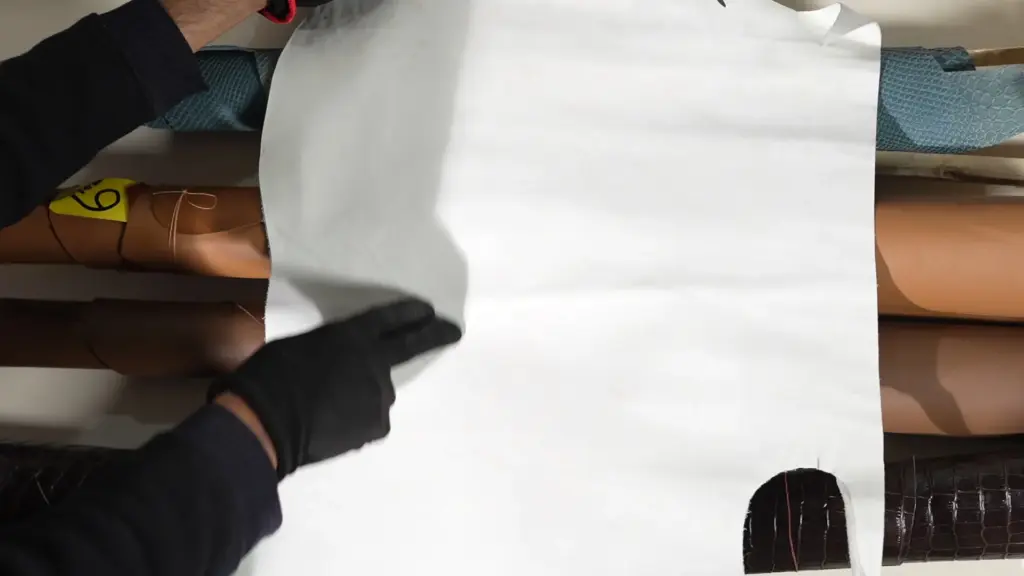
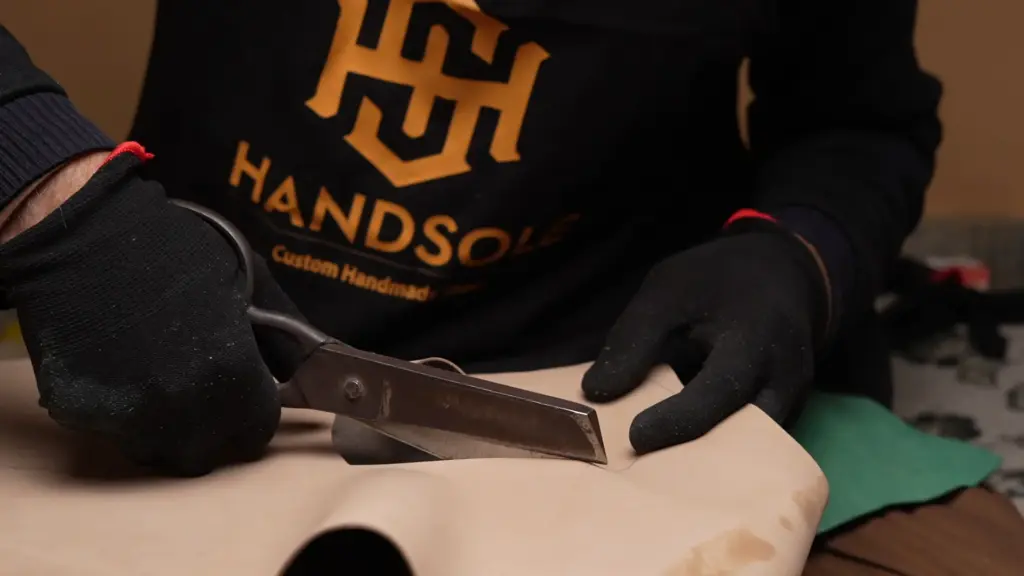
Leather is chosen according to the structure, appearance and finish required by the shoe. Full-grain, corrected-grain, suede and other footwear leathers have different properties; tanning and finishing are separate decisions again.
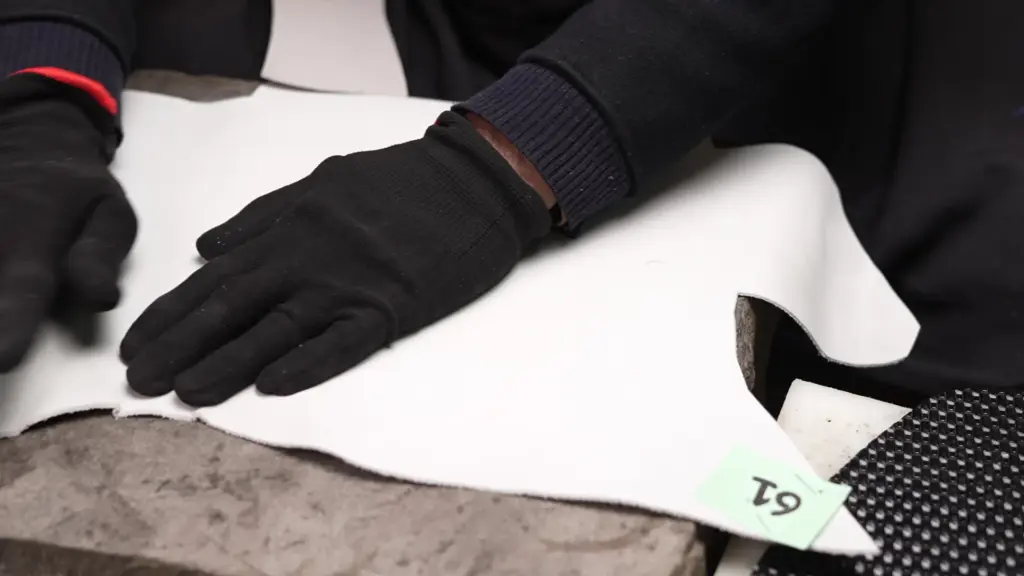
Before cutting, the usable area of a hide is assessed for thickness, grain direction, stretch and visible character. The important buying question is not a generic “best leather” label — it is which leather is used on the specific pair and why it suits that design. Handsole lists the upper and lining material on the product page.
01 / 04
01 / 03
03
Pattern Making
Precision Before the First Cut
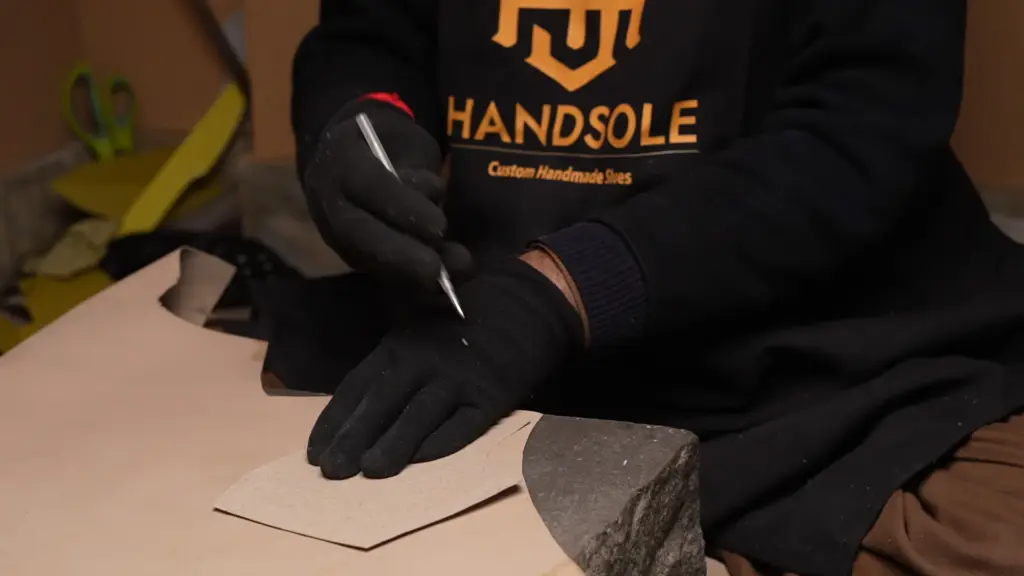
Patterns translate the intended design into pieces that can wrap accurately around the chosen last. Oxford quarters, Derby facings, loafer vamps, aprons, cap toes and linings all require different pattern relationships.
Pattern accuracy influences how seams align and how the upper behaves during lasting. Standard Handsole styles use their established patterns. A substantial Custom Made request may require pattern review or a different pattern rather than simply changing a color or width.
04
Upper Construction
Clicking, Closing and Building the Upper
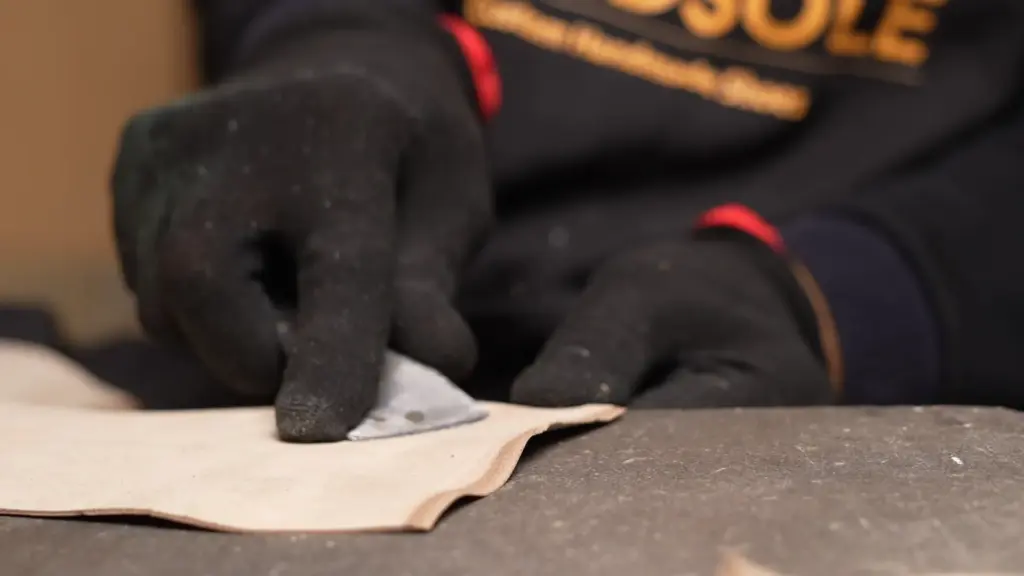
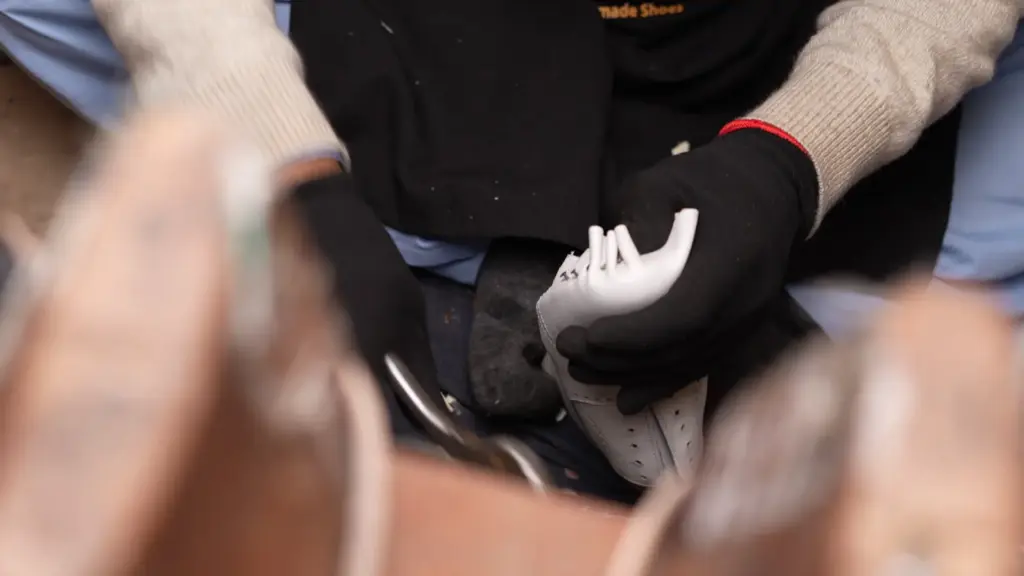
Clicking is the cutting of the upper components from leather. Placement matters because different areas of a hide can vary in stretch, appearance and suitability. Closing then joins those components into the complete upper.
Skiving, seam placement, reinforcement and lining construction are handled according to the design. Handsole does not claim one universal lining or cutting method for every shoe; the material specification on the product page tells you what is actually used on that pair.
01 / 03
01 / 04
05
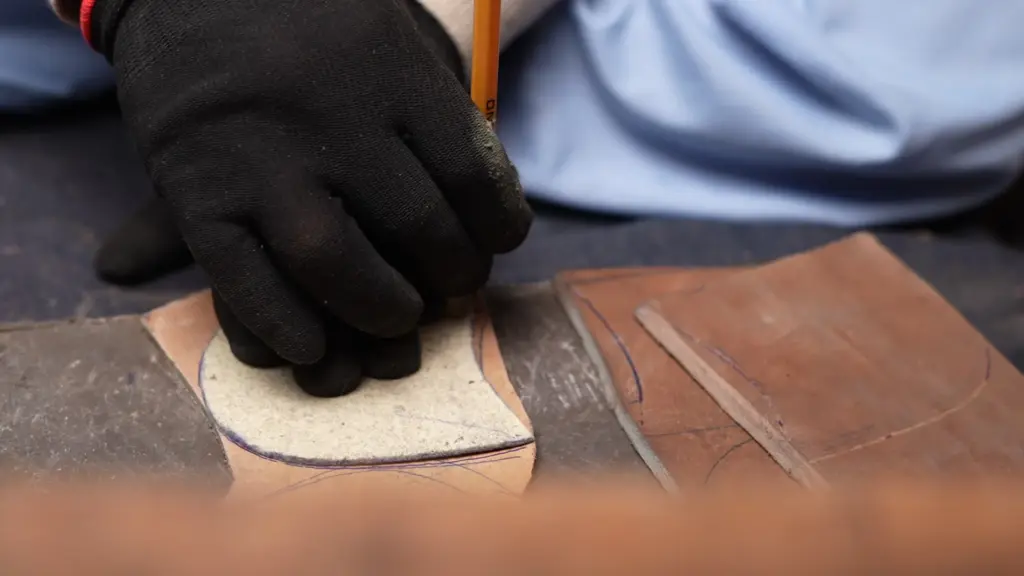
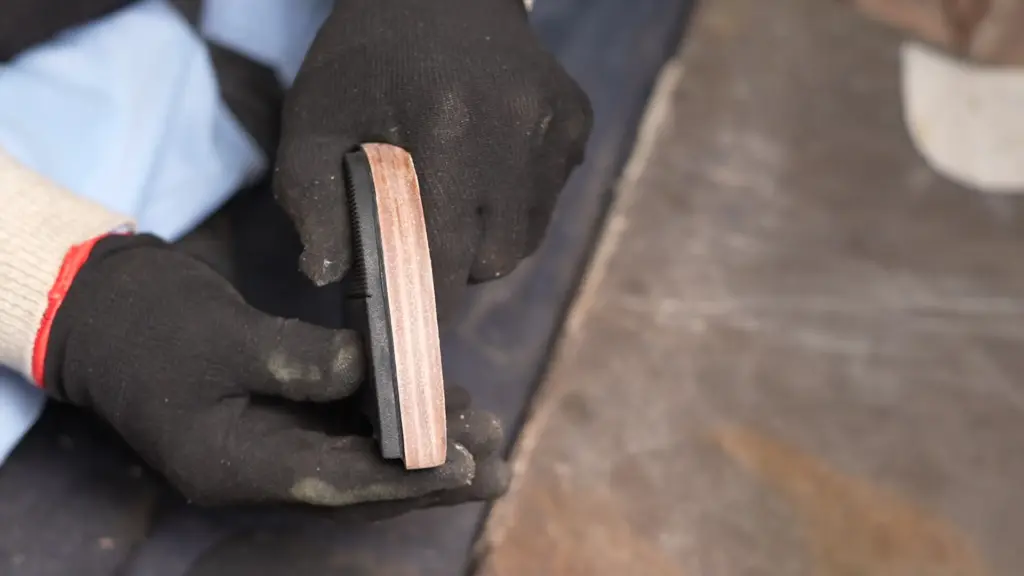
Bottom Preparation
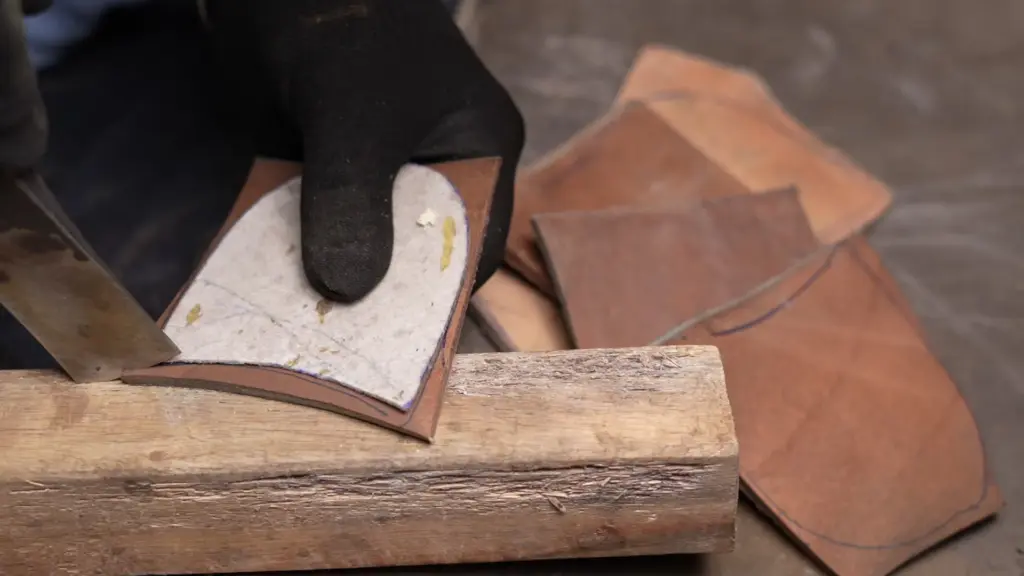
Insole and Bottom — The Structure Underfoot
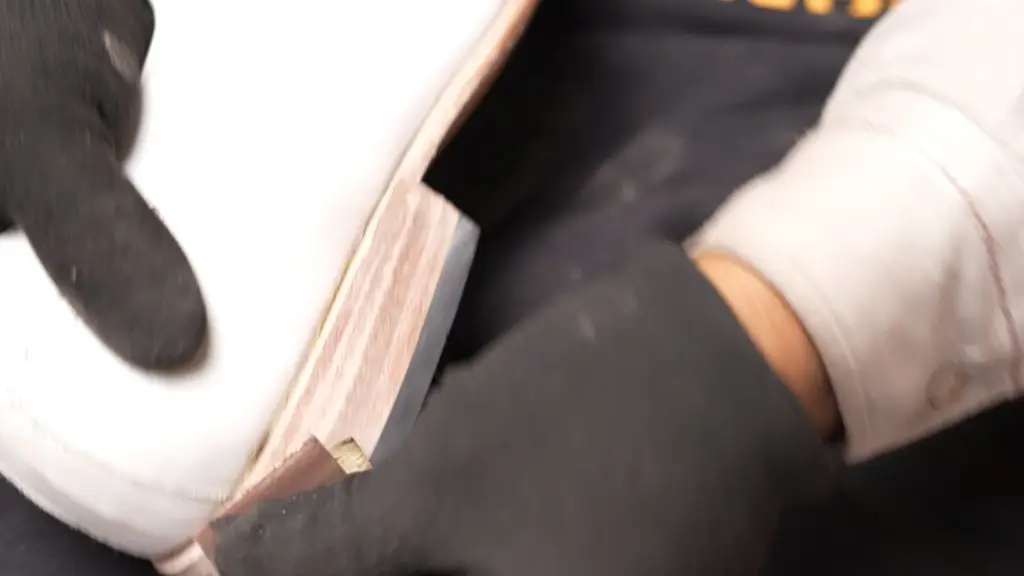
The insole and bottom structure sit between the foot and the outsole. In welted construction the insole participates directly in the construction; other methods create that connection differently.
Filling, shanks, ribs, channels and other bottom components vary with the construction method. Rather than pretending every Handsole design has the same internal stack, we disclose the construction and key materials product by product.
06
Lasting & Setting
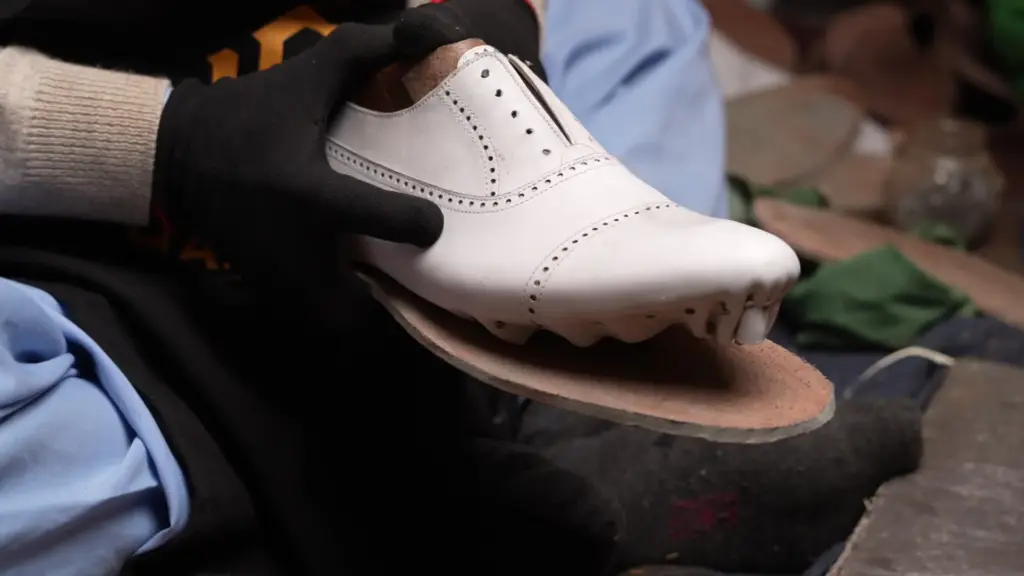
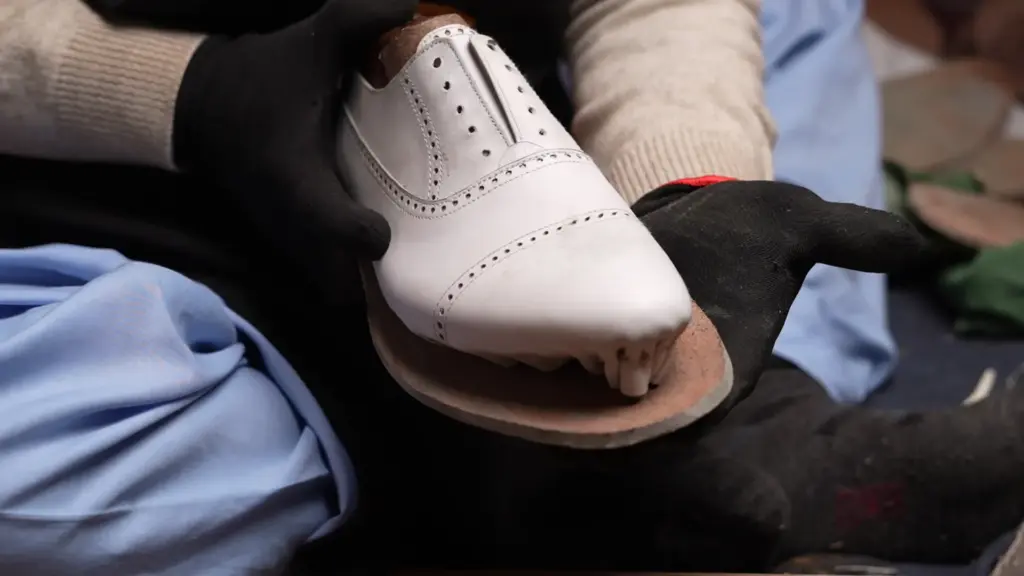
Shaping the Upper — A Controlled Process
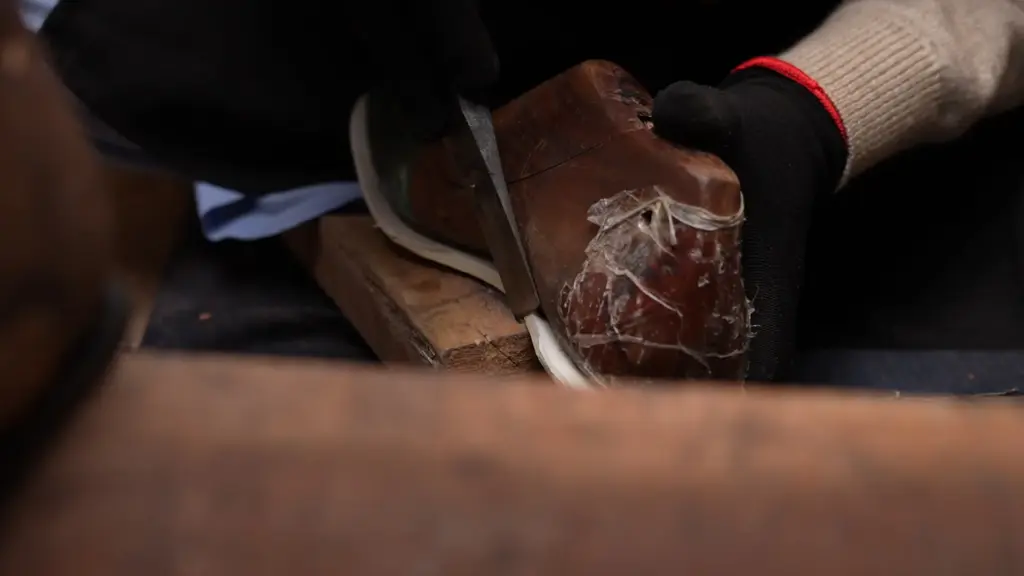
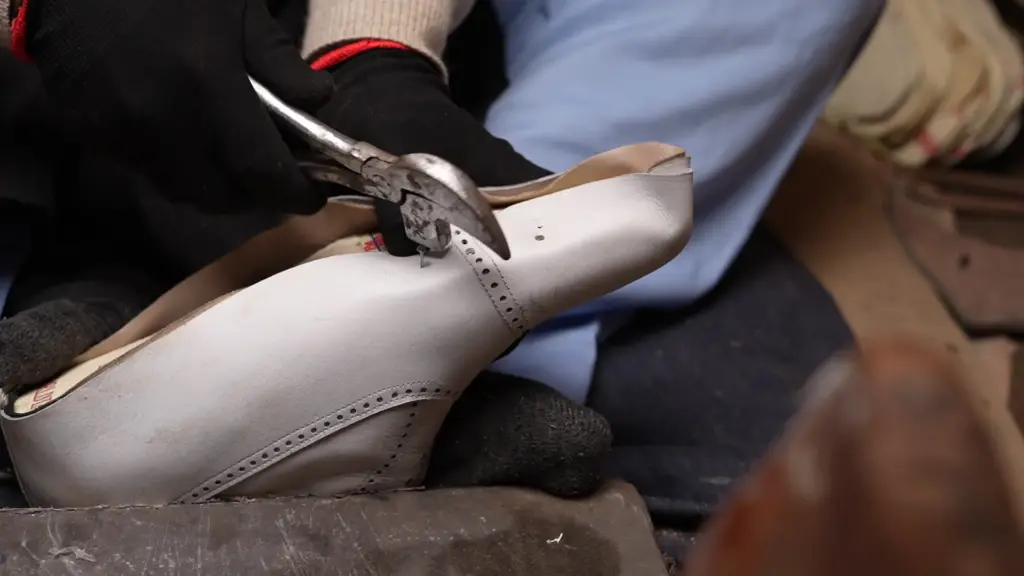
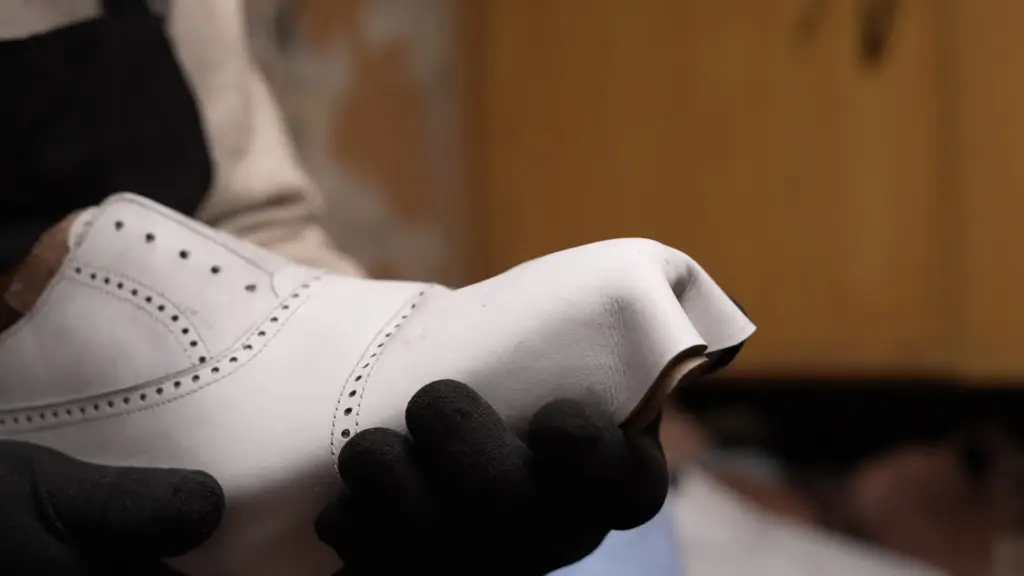
Lasting pulls and shapes the completed upper around the last so the pattern follows the intended three-dimensional geometry. Tension must be controlled through the toe, waist and heel rather than simply making the leather tight.
Depending on the upper, construction, adhesives and finishing sequence, the shoe may need setting or drying time before the next operation. There is no universal 24- or 48-hour rule that applies to every Handsole design, so production is managed as a sequence rather than advertised as one fixed hour count.
01 / 04
01 / 04
07
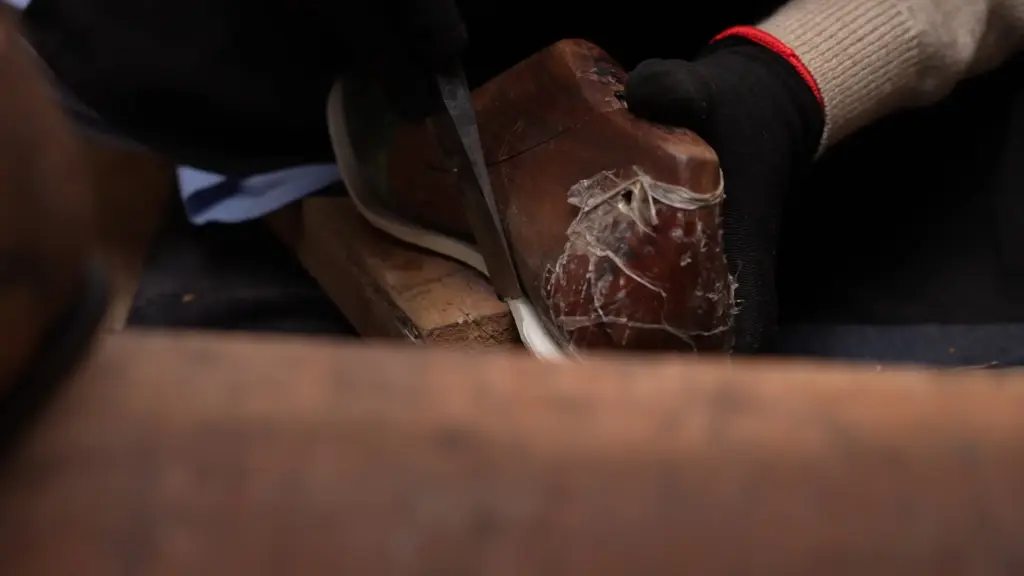
Sole Construction
Welted, Stitched or Bonded — Method Matters
The construction method determines how the upper, insole and outsole become one shoe. In hand-welted construction the inseam is prepared and sewn manually; Goodyear welting mechanizes that inseaming step; Blake stitching connects the outsole more directly through the shoe.
Each has trade-offs in profile, flexibility, production method and repair options. A construction label by itself does not guarantee fit or quality. Handsole therefore states the actual method on the individual product rather than applying “hand welted” to the whole collection.
08
Sole, Heel & Patina
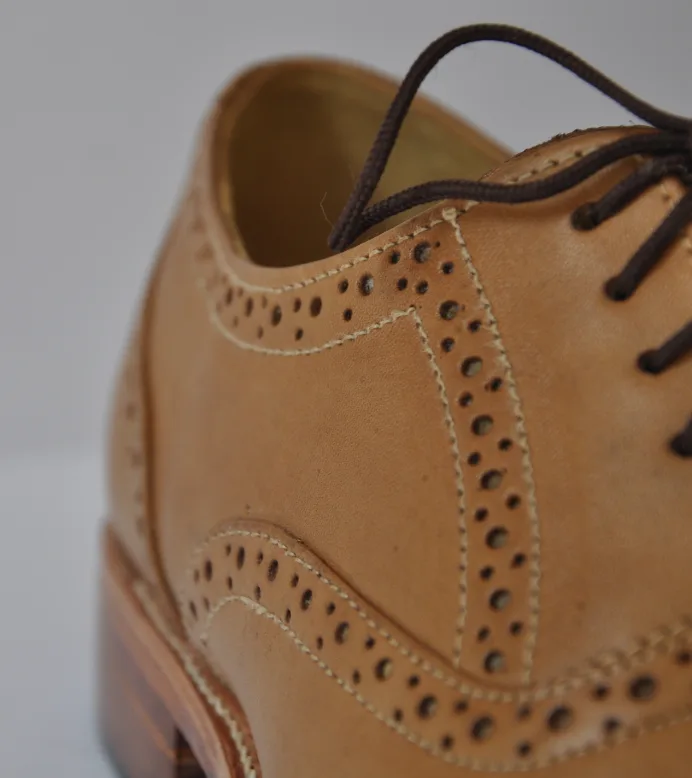
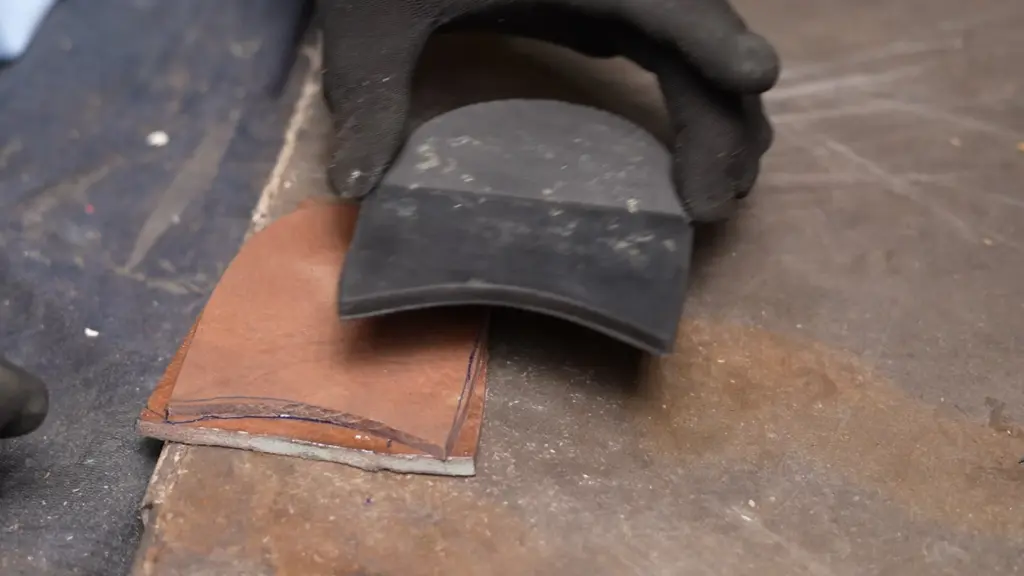
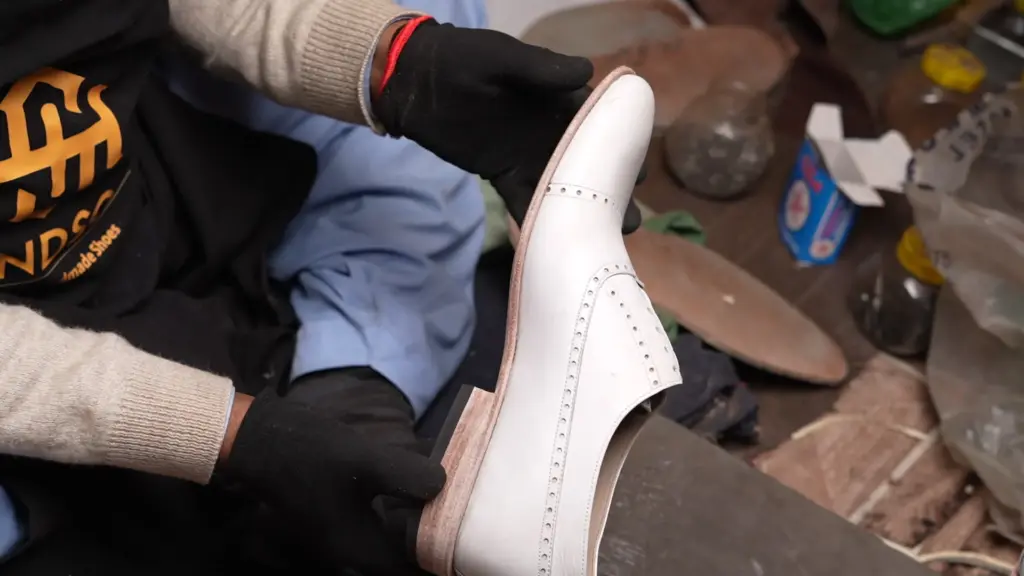
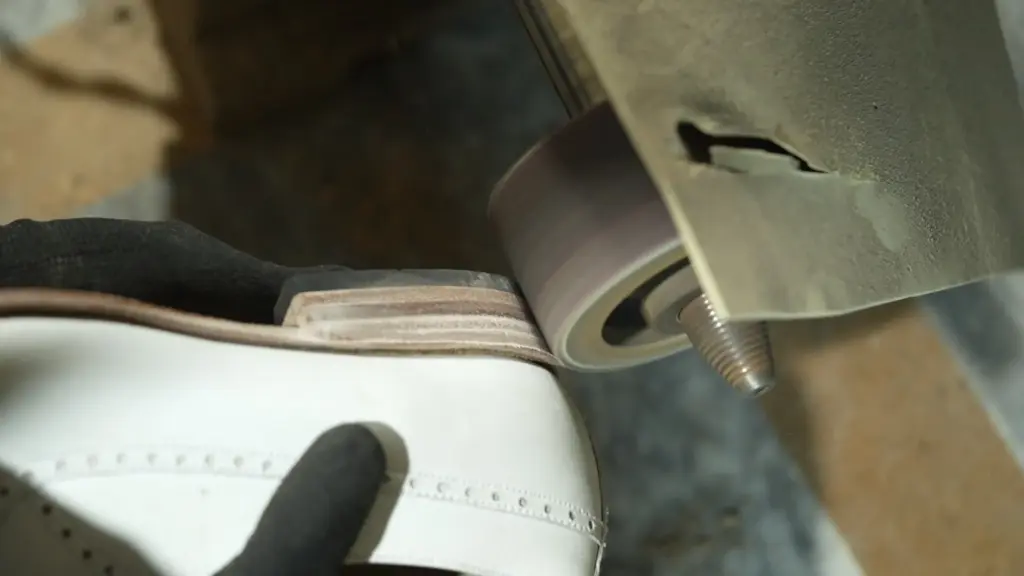
Sole, Heel, Edges and Final Finish
Outsole, heel and edge work are completed according to the product specification. A design may use leather or rubber soles, different heel builds and different edge treatments depending on its intended character and use.
Finishing can include edge staining, polishing, burnishing and tonal work where the leather permits it. Hand-finished color can vary naturally from pair to pair; the product description and photography should show the intended result rather than promising one universal material or patina process.
01 / 04
Construction is not a single quality ladder. The methods below solve the sole-to-upper connection in different ways. The best choice depends on the product, fit, intended use, repair priorities and how the method is executed.
Construction Methods
Hand Welted vs Goodyear Welted vs Blake Stitch — An Honest Comparison
How the sole is attached affects profile, flexibility and repair options, but it is only one part of the shoe. Hand-welted, Goodyear-welted and Blake construction are mechanically different. Handsole does not promise that every design is available in every construction; check the individual product or Custom Made confirmation for the method used on the pair you are considering.
Most Labour-Intensive
Hand Welted
In traditional hand-welted construction, the insole is prepared for an inseam and the welt, upper and insole relationship is sewn manually. The outsole is then attached to the welt. The defining distinction is the manually prepared and sewn inseam, not a universal claim that every other construction is inferior.
Manual inseaming — the welt/upper/insole relationship is prepared and sewn by hand
Repair-oriented structure — outsole replacement can be practical when the welt and upper remain serviceable
High craft input — skill and execution matter more than a fixed step count
Product-specific — only products explicitly identified as hand welted should carry the claim
Traditional, labour-intensive and repair-oriented when executed well
Goodyear Welted
Goodyear construction mechanizes the welt inseaming operation, typically using a rib associated with the insole before the outsole is stitched to the welt. It preserves the useful welt-and-outsole relationship while allowing more repeatable production at scale.
Welted structure — outsole replacement can be practical when the rest of the shoe remains serviceable
Mechanized inseam — the welt-sewing step is performed with specialized machinery
Repeatable production — useful for consistent ready-to-wear manufacturing
Profile varies — sole stack, welt and materials determine final weight and flexibility
Quality still depends on execution — construction name alone is not a quality guarantee
Proven welted construction with a different inseaming process
Blake Stitch
Blake construction uses a direct stitch through the insole and outsole rather than an external welt. It can support a slim, flexible profile. Resoling can be possible, although repair access and equipment differ from welted construction.
Direct construction — no external welt is required for the sole stitch
Slim-profile potential — often selected where a lighter edge is desired
Flexible feel — final flexibility still depends on the actual sole and insole materials
Repairable by appropriate specialists — availability of Blake resoling varies by cobbler
Use-case dependent — choose by the whole shoe rather than one construction label
A valid construction choice when its profile suits the product
"A construction name is useful only when it describes the shoe that is actually in front of you."
Why Handsole keeps materials and construction product-specific
5Named Handsole lasts
4Standard width choices · D / E / EE / EEE
7–10Working days · standard made-to-order before dispatch
Material Roles
What Each Component Has to Do.
Materials vary by product. These seven roles explain what to look for on a PDP and why the correct material depends on the component and intended shoe rather than a single universal hierarchy.
Material 01
Upper Leather
Smooth calf, grain leather, suede and other upper leathers create different structure, texture and aging behavior. The PDP identifies the leather used on that design.
Material 02
Lining
The lining affects interior feel, friction and structure. Material varies by design and should be read from the individual product specification.
Material 03
Heel Construction
Heel height, stack and top lift are selected to suit the last and sole. Leather, rubber and other components may be combined depending on the shoe.
Material 04
Outsole
Leather and rubber outsoles trade dress profile, grip, weather behavior and wear characteristics differently. The PDP identifies the actual outsole.
Material 05
Insole & Bottom
In welted footwear the insole can be structural; other constructions organize the bottom differently. Filling and support components follow the construction used.
Material 06
Stitching & Thread
Thread type, weight and stitch method depend on whether the operation is closing the upper, inseaming, outsole stitching or finishing. There is no one thread rule for every shoe.
Material 07
Finish & Color
Dyes, creams, waxes and burnishing can create depth and tonal variation where the leather permits it. Exact finish and care guidance belong to the specific product.
"The useful question is not whether a material sounds premium. It is whether it is the right material for that part of this shoe."
Why Craft Matters — Without Turning It Into a Myth
Hand work can add control, skill and flexibility to certain operations, but “handmade” is not a substitute for specification. The value is in the whole result: appropriate materials, sound pattern and lasting, suitable construction, disciplined finishing and a fit configuration that works for the wearer.
Where a Handsole product uses a repair-oriented construction, the PDP identifies it. Resoling potential still depends on the condition of the upper, welt, insole and other components, so we avoid promising a fixed number of resoles or years of service.
A leather shoe may soften and flex with normal wear, but break-in should not be used to excuse the wrong geometry. Start with the right US size, width and last, then use the product fit notes and Handsole sizing guidance to reduce uncertainty before production.
When repairability matters, choose a product whose stated construction supports that goal and maintain it accordingly. When you need something beyond the standard product configuration, use Custom Made so the request can be reviewed before the build begins.
Understand the Craft. Then Choose the Actual Pair.
Use the collection to compare real materials, construction, lasts and fit notes product by product. If your requirement falls outside the standard options, send a Custom Made inquiry before production.