About Handsole
Craft, Utility and Style Without Luxury Markup
We design shoes to be worn, understood and kept — made with purpose, sold directly, and without hiding behind vague claims.
We design shoes to be worn, understood and kept — made with purpose, sold directly, and without hiding behind vague claims.
We started Handsole because buying a good leather shoe had become unnecessarily difficult. Price, branding and familiar words could make two very different shoes sound almost identical— while the things that actually mattered were often buried underneath.
So we built Handsole around a different idea: make the shoe understandable. Show what it is made from, how it is constructed, where the work happens and what you are actually paying for.
Almost every shoe involves hands somewhere in the process. It may also involve sewing machines, lasting equipment, welting machines, presses and sanders. That does not make it inferior. It simply means handmade alone does not tell you the construction.
It often refers to the lower split layers of the hide, below full-grain and top-grain leather. Those layers are frequently sanded, coated with pigment or polyurethane, and embossed with an artificial grain to make the surface look more uniform and is usually treated as one of the lower grades.
In hand-welted construction, the shoemaker prepares the leather insole and stitches the welt to it by hand. Goodyear welting mechanises that operation. It can still produce an excellent shoe, and other parts may involve handwork — but the welt itself is not hand-stitched. That distinction should never be blurred.
Thirteen years in the trade taught us that a well-made leather shoe is never defined by one claim. Leather quality matters. So do shoe construction, the last, insole, lining, outsole, heel, stitching and finishing. Full-grain leather cannot rescue poor construction, and hand-welted construction cannot fix the wrong last or poor fit.
That lesson still guides Handsole today: every material, construction method and design choice has to work together for the shoe to perform, fit and age well.
Designed in-house. Made in-house. Sold directly. Built around fit, craftsmanship, and value.
We hand-last each upper over its shoe last, prepare the leather insole, and stitch the leather welt by hand. We build the bottom with leather components, shape the heel from stacked leather, attach the outsole, and finish the edges by hand. These are not decorative touches added at the end — they are part of how we construct the shoe.
That is what handmade means to us. The maker shapes the fit, controls the hand-welted construction, builds the leather heel and finishes the pair through the stages that determine how the shoe wears, ages and can be repaired. We describe those processes because “handmade leather shoes” should tell you more than a label.
We learned how a leather shoe actually comes together — the last, pattern, upper, insole, welt, outsole, heel and finishing. Understanding the construction came before trying to improve it.
Formal footwear design training helped us go deeper into lasts, pattern cutting, fit, construction and sole design. It gave us the technical language to turn an idea into a precise shoe specification.
Early production taught us what theory could not. Materials changed. Processes changed. Pairs were remade. Each mistake improved something specific — fit, leather selection, construction, finishing or consistency.
We design and make in-house, develop our lasts, choose the materials and stay involved through construction and finishing. Thirteen years in the trade has taught us that a good shoe is the result of hundreds of small decisions made well, pair after pair.
Thirteen years of designing and making leather shoes taught us where quality is won or lost: the leather, lining, insole, construction, outsole, last and finishing.
We specify each one because no single material or technique can carry the whole shoe.
Full construction breakdown →
 Oxford
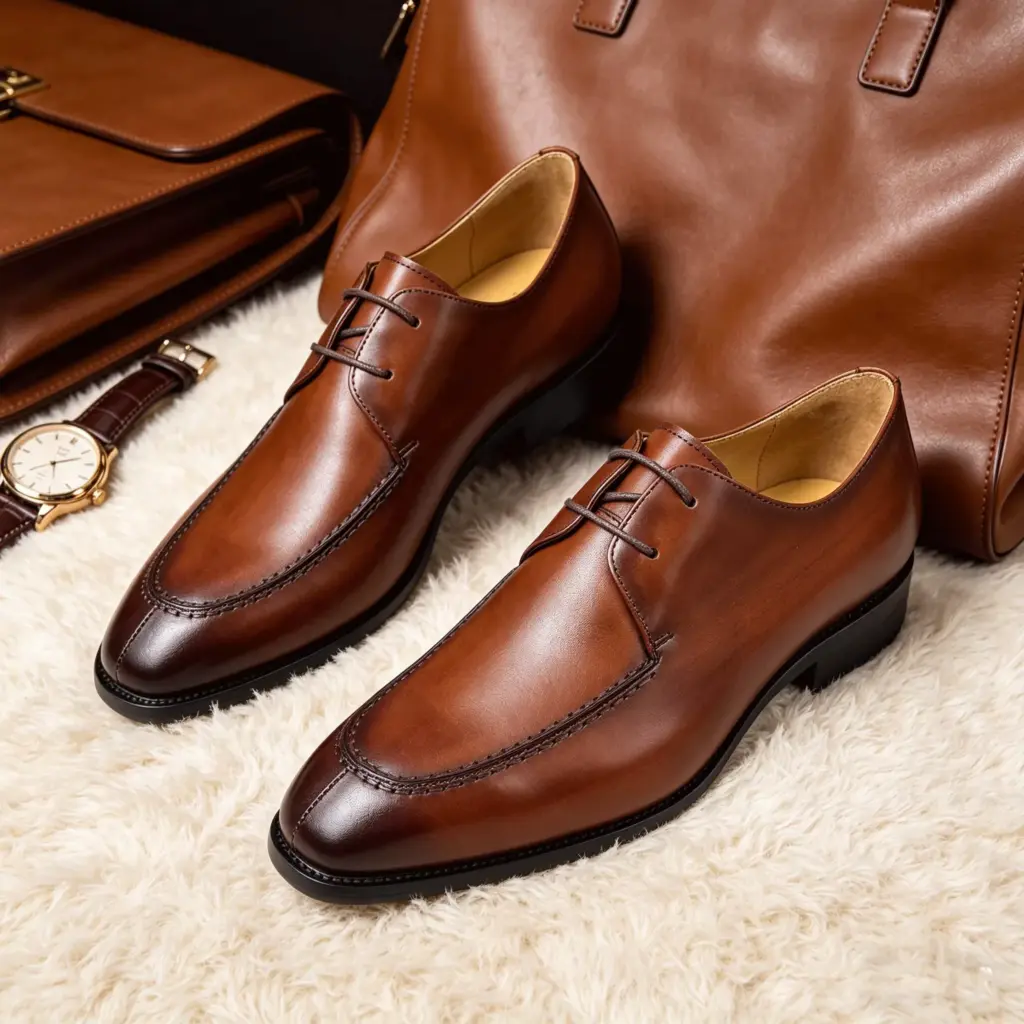 Derby
Derby
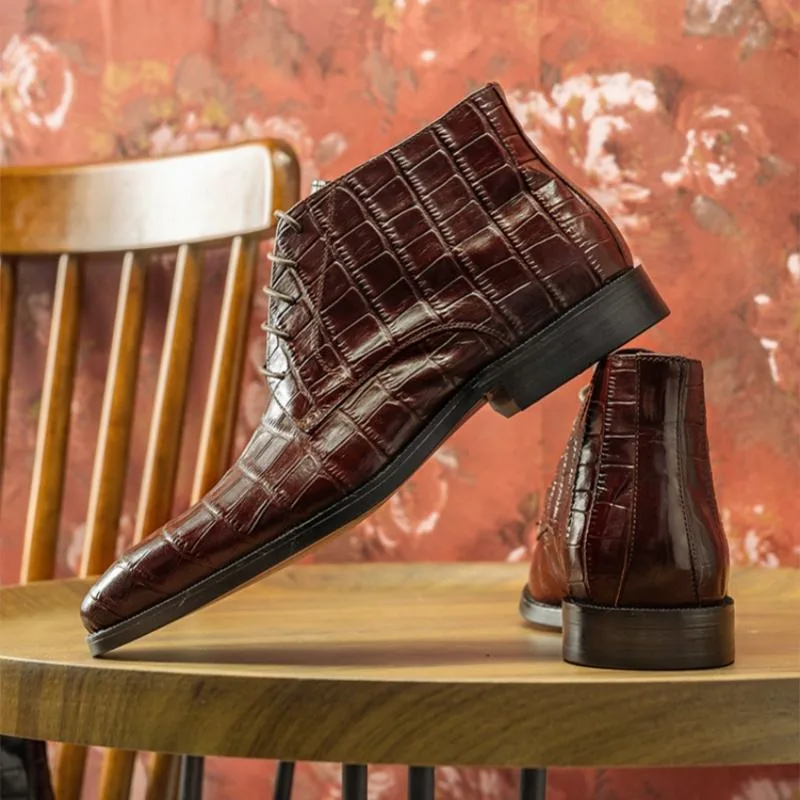 Exotic
We tell you exactly how the shoe is made.
We show the real details for the exact pair you are buying
Want something different? We can customize the size, sole, color and details.
If the fit isn’t right, we’ll make it right.
We sell straight from our workshop to you — no middleman.
We are not the biggest name in this space. We are not the oldest. What we are is a direct line from the craftsmen who make the shoe to the person who wears it — with no one in between taking margin without adding meaning.
The shoe you want exists. We make it.
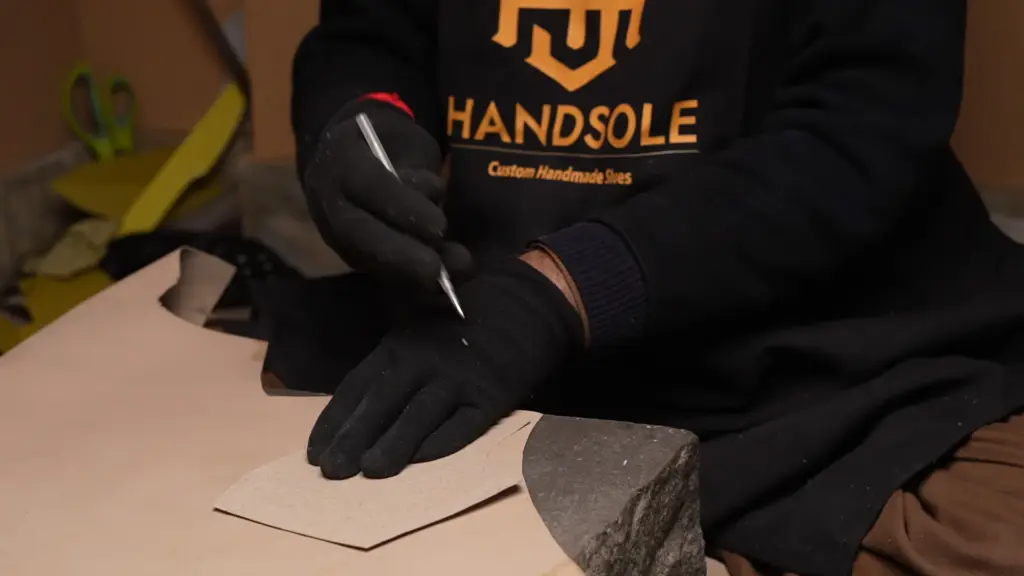
Not sure where to start? Explore our lasts, widths and styles, or contact us and we’ll help you find the pair that suits your feet best.