Construction & Craft
Insole vs Midsole vs Outsole — What Each Layer Does in a Shoe
Footwear terminology becomes confusing when sneaker language is applied to dress shoes. This guide separates the insole, optional midsole/filling and outsole.
Handsole Journal articles in this collection. The article layout stays consistent; only the editorial content changes.
Footwear terminology becomes confusing when sneaker language is applied to dress shoes. This guide separates the insole, optional midsole/filling and outsole.
A double leather sole is not simply a 'better' single sole. Extra thickness changes flexibility, profile and feel, which can suit some shoes better than others.

“Handmade” can describe very different shoes. Learn which stages may actually involve handwork, where machines belong, and why construction, leather, last and finishing matter more than the label alone.
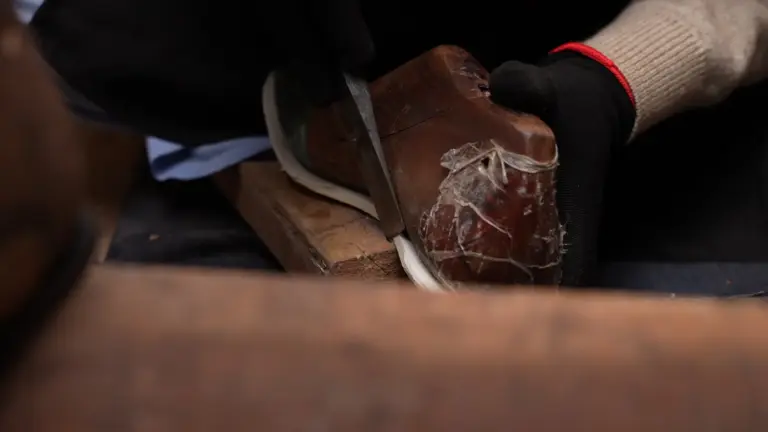
Blake stitching, Goodyear welting and hand welting connect a shoe’s upper and sole in different ways. Learn how each construction affects profile, flexibility, repairability and the way a shoe is built.
A shoe is a system of connected parts. This guide explains what the upper, lining, insole, welt, filling, shank, outsole and heel actually do — and why construction method matters for repairability.
Compare hand welting and Goodyear welting by inseaming, insole preparation, fit, repairability and price. Judge the complete shoe before paying for a label.
Follow traditional hand-welted shoemaking from pattern and upper preparation to hand inseaming, outsole attachment, finishing and repair considerations.