Shoe Widths Explained: D, E, EE & EEE — Which Width Do You Need?
D, E, EE and EEE describe different shoe-width options, but width is only one part of fit. Learn what each Handsole width means, how to measure your feet and why the last matters as much as the letter.
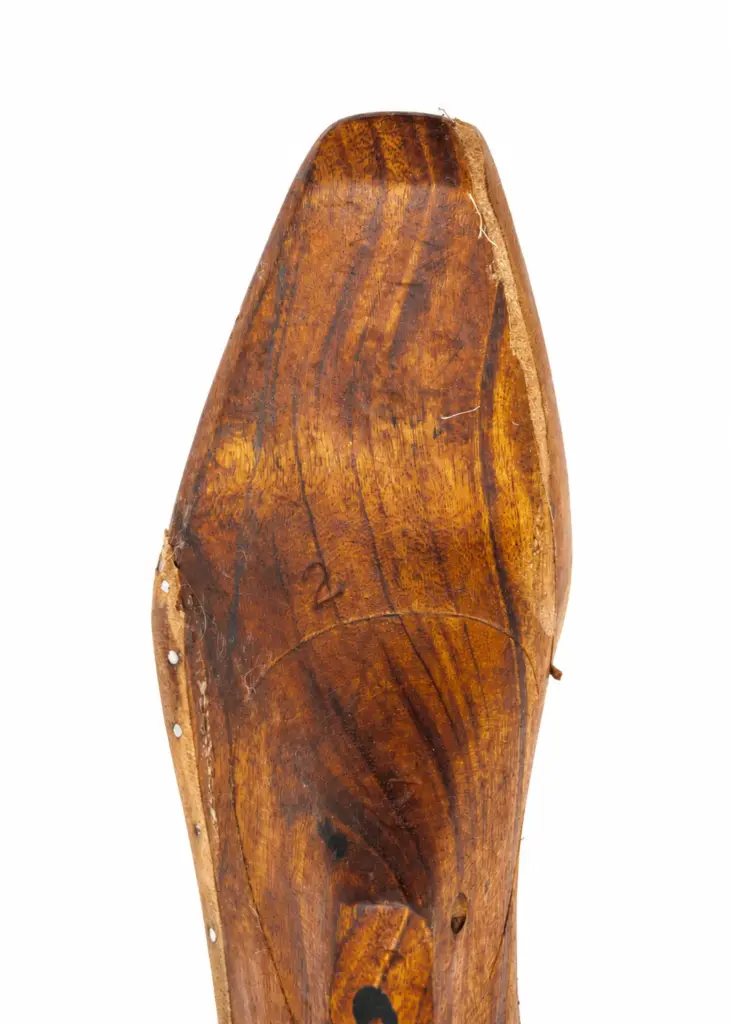
Width adds room; the last still determines the underlying shape.
Finding your shoe size is only half of finding your fit.
You can have the correct length and still feel pressure across the ball of your foot, crowding around your toes or too much room elsewhere in the shoe.
In those cases, buying a longer size is not always the answer.
The missing measurement may be width.
Handsole uses D, E, EE and EEE width options where offered. But width is only one part of fit.
The shoe’s last, toe shape, instep volume and your actual foot measurements matter too.
For the full relationship between size, width and last, start with the Handsole Sizing & Fit Guide.
What D, E, EE and EEE mean
Within the Handsole system, the widths move from standard to progressively roomier configurations:
D — Standard
The standard men’s starting width.
E — Roomier
Adds room compared with D.
EE — Wide
For broader feet or customers requiring more forefoot room.
EEE — Extra Wide
The roomiest standard Handsole width.
These descriptions refer to the Handsole sizing system.
Width notation is not perfectly standardized across every shoe brand. The Brannock Device fitting guidance similarly warns that width terminology and fit vary between manufacturers, so a letter should always be interpreted within the maker’s own system.
Two shoes carrying the same marked size and width can still feel different because they may be built on very different lasts.
A US 10 EE on one shoe does not automatically have the same internal geometry as every other US 10 EE shoe.
Why length alone does not solve fit
One of the most common mistakes is moving up in length when the real problem is width or volume.
Imagine your toes are positioned appropriately in a US 10, but the shoe feels tight across the widest part of the forefoot.
Moving to US 11 may create more space.
But it also makes the entire shoe longer.
Now the flex point may sit differently, the heel may have more room and the proportions may no longer suit your foot.
A wider US 10 may be the more useful comparison.
The reverse can happen too.
If a shoe feels loose at the heel, automatically going narrower may not solve it. Heel movement can involve length, instep, topline and the geometry of the last.
Length, width and last need to be considered together.
D width: the standard starting point
D is Handsole’s standard men’s width.
It is a reasonable starting point when your foot has average volume and you do not normally experience significant pressure through the forefoot.
But “standard” does not mean “correct for everyone.”
D may be worth comparing when:
- your normal leather shoes generally fit through the forefoot
- you do not usually require wide footwear
- your measurements point toward the standard range
- the product’s last suits your foot shape
If a D-width shoe feels wrong, identify where it feels wrong before changing size.
Pressure across the ball may point toward width.
Pressure concentrated around the toes may involve toe geometry.
Heel movement may involve the last rather than a simple width change.
E width: a little more room
E adds room compared with D without requiring a longer shoe.
It can be useful when the shoe’s length appears appropriate but the standard width feels consistently snug through the forefoot or when your foot carries more volume.
E may be worth comparing when:
- D feels slightly restrictive across the ball
- your forefoot is fuller than average
- you need somewhat more overall room
- the correct length feels right but D does not
E should not be treated as an automatic comfort upgrade.
More room is useful only when your foot needs it.
The goal is not maximum space.
It is appropriate space.
EE width: for broader feet
EE moves further into wide-foot territory.
For customers with a broader forefoot, it can provide additional room around the ball and toe-joint area without unnecessarily increasing shoe length.
EE may be worth comparing when:
- standard shoes repeatedly feel tight through the forefoot
- E still feels restrictive in the correct length
- your measurements indicate a broad forefoot
- you normally purchase wide-width shoes
The last remains important even here.
A rounder forepart and a narrow tapered toe can feel very different even when both products are marked EE.
Width changes available room within the particular last.
It does not replace the last.
EEE width: Handsole’s roomiest option
EEE is the widest standard option in the Handsole system.
It is intended for particularly broad or higher-volume feet that need substantially more room than D provides.
EEE may be worth comparing when:
- you consistently require extra-wide footwear
- EE remains restrictive in the correct length
- your forefoot is particularly broad
- you have substantially greater overall volume
Choosing EEE “just to be safe” is not a good sizing strategy.
A shoe that is unnecessarily wide can create movement and affect how the upper sits around the foot.
If you are unsure, measure both feet rather than automatically choosing the largest width.
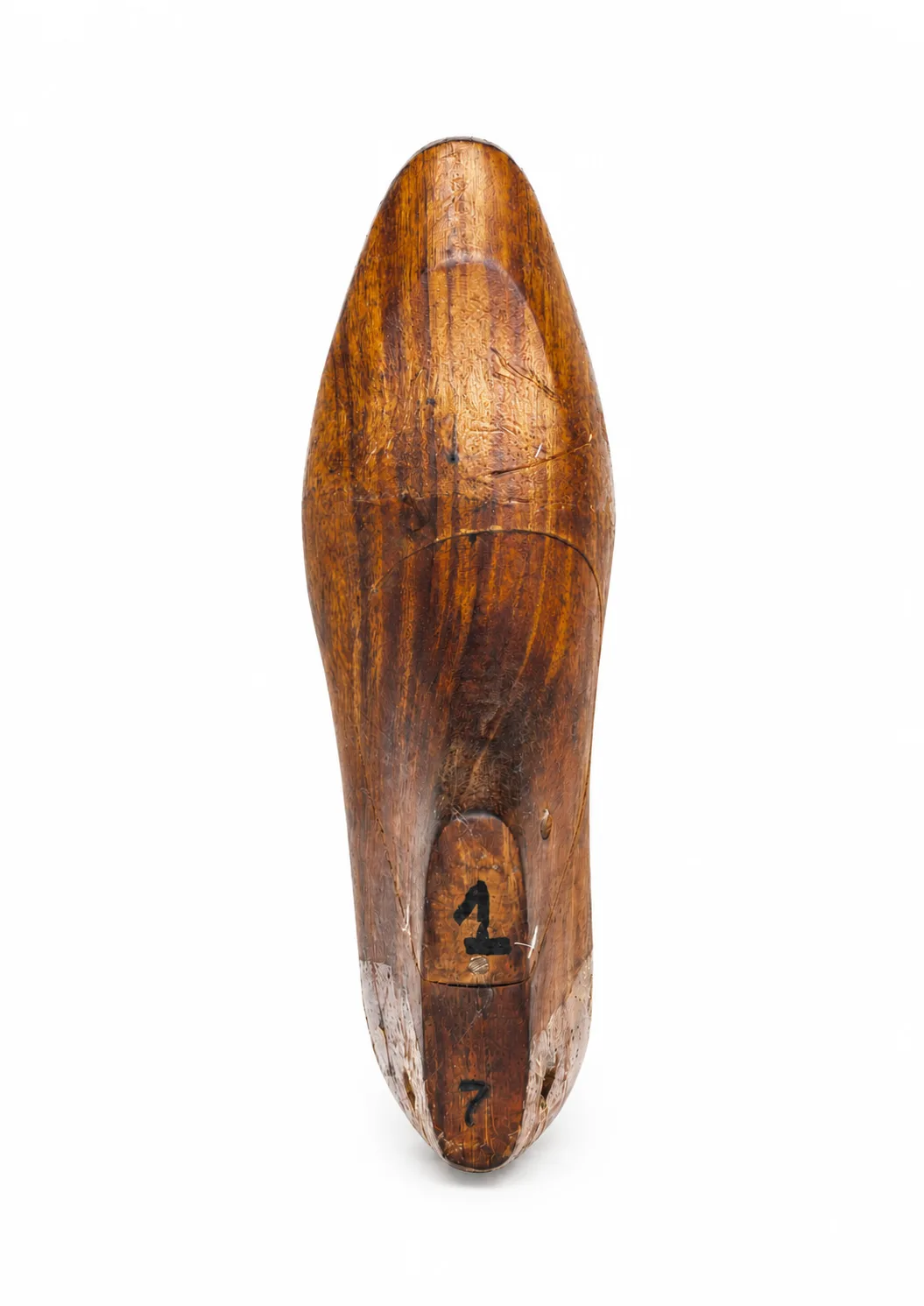
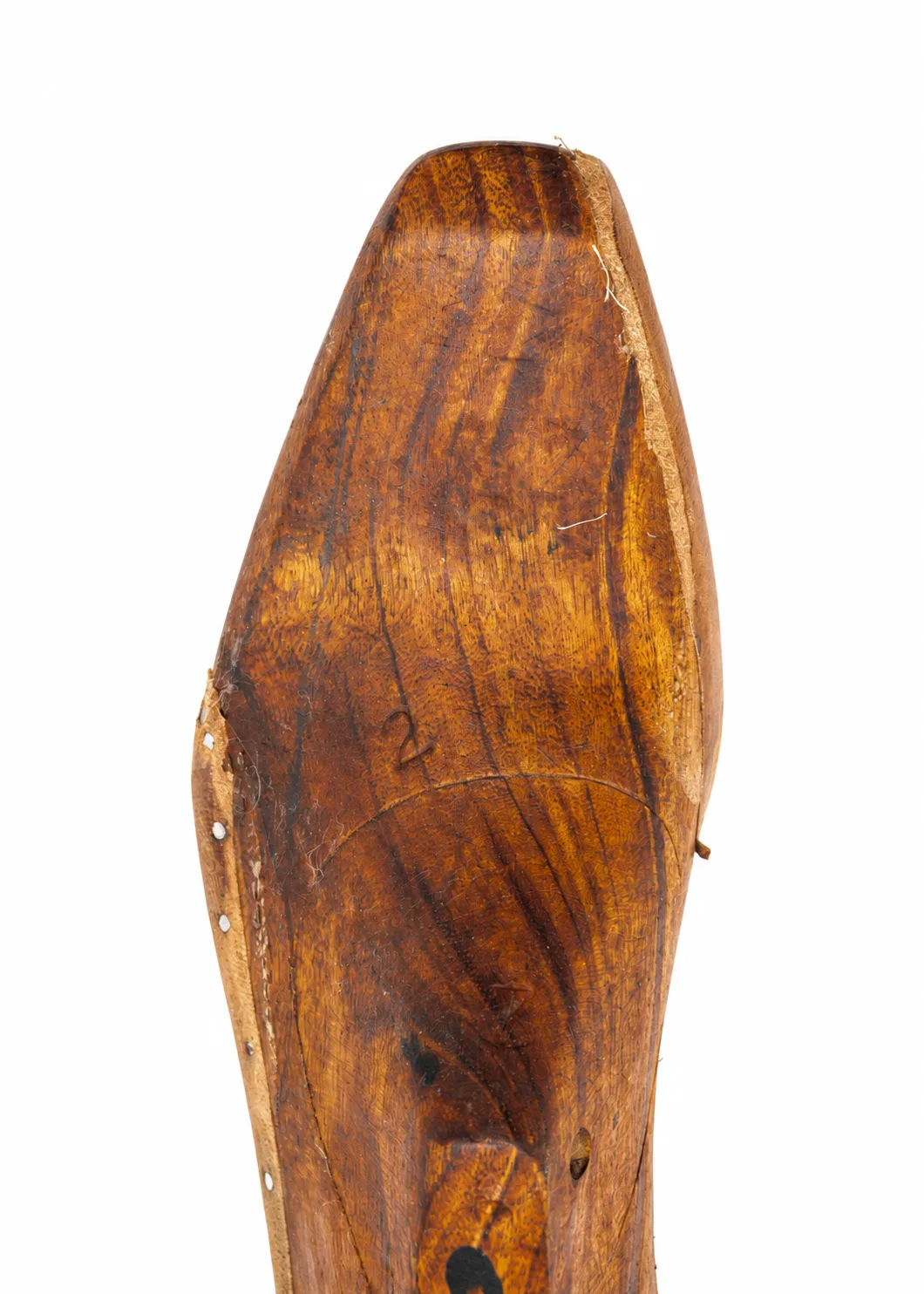
Width and last shape are different things
This is the most important idea in the width discussion.
Width is not the same thing as last shape.
A shoe last is the three-dimensional form around which the shoe is built.
It influences:
- toe shape
- forefoot geometry
- instep volume
- waist
- heel
- overall silhouette
Handsole uses different lasts because feet are not simply narrow or wide rectangles.
Someone may have a broad forefoot and comparatively narrow heel.
Someone else may need more volume over the instep.
Another person may have average width but require more usable toe room.
Simply moving from D to EE cannot make every last suit every one of those feet.
For a deeper explanation, read What Is a Shoe Last?.
Professional fitting guidance makes the same distinction. The Pedorthic Footcare Association’s fitting tips emphasize measuring both feet and matching the widest part of the foot with the widest part of the shoe rather than choosing by the marked size alone.
Toe shape changes how width feels
Consider two shoes in the same numerical size and width.
One has a narrower almond-shaped forepart.
The other has a rounder toe with more visual and usable forefoot room.
They may both be marked US 10 E, but they will not necessarily feel identical around the toes.
That is because width exists inside a different three-dimensional shape.
A tapered design distributes space differently from a round or semi-square design.
Sometimes you need more width.
Sometimes you need a different toe shape.
Sometimes you need both.
That is why the Sizing & Fit Guide should be used alongside the individual product’s fit notes.
“Wide feet” can mean different things
When people say they have wide feet, they can be describing different problems.
One person has a broad ball measurement.
Another has a higher-volume foot.
Another has a high instep.
Another experiences pressure primarily around the toes.
Those characteristics are related, but they are not identical.
A width option adds room, but it does not independently redesign every dimension of the last.
So describe where the shoe feels wrong.
Across the ball?
At the outside of the forefoot?
Over the instep?
At one toe?
Only on one foot?
Those details are more useful than saying only:
“I need a bigger shoe.”
Measure before choosing width
Measurements are most useful when taken consistently.
Measure both feet while standing because the loaded foot can differ from the seated foot.
At minimum, record:
- foot length
- ball width
- left and right feet separately
For a more involved fit review, additional girth measurements around the forefoot, waist and instep can help describe volume.
The full process is explained in How to Measure Your Feet for Shoes.
Measurements help narrow the decision.
They do not replace the product’s actual last and fit information.
What if your feet differ?
Small differences between left and right feet are common.
Meaningful differences deserve more attention.
If the difference is large enough that you are unsure whether one standard configuration will work for both, do not simply order a much larger pair.
Send the measurements before production.
A standard Handsole configuration may still work, or the requirement may need to be reviewed through Custom Made.
Do leather shoes stretch in width?
Leather can soften and conform somewhat with wear, but “it will stretch” is not a sizing strategy.
How the shoe changes depends on the upper leather, lining, construction, last, width and location of the pressure.
A correctly selected pair may become more flexible during break-in.
A severely tight pair should not be purchased on the assumption that discomfort will eventually disappear.
Break-in can refine fit.
It should not be expected to correct the wrong size, width or last.
Should you size up instead?
Not automatically.
If length is already correct, increasing length solely to gain forefoot room changes more than the dimension you are trying to solve.
Are your toes actually reaching the end?
Length may indeed need attention.
Is pressure mainly across the ball?
Compare a wider option in the appropriate length.
Is pressure concentrated around the toe shape?
Compare the geometry of the last.
Is the heel moving?
Check length, width, instep and last geometry together.
A better fit decision changes the dimension that actually needs changing.
How Handsole uses width
Handsole products use a D-to-EEE width architecture where those options are offered, but the individual product page remains the authority for the widths available on that design.
The basic direction is:
D — Standard
E — Roomier
EE — Wide
EEE — Extra Wide
Choosing EE does not turn one Handsole last into another.
It gives you the wider configuration available for the last used by that product.
If the combination you need is not offered, that is the point to discuss Custom Made rather than trying to solve the problem by guessing another size.
Common width questions
Is D considered wide for men’s Handsole shoes?
No. D is the standard men’s starting width.
What is the difference between E and EE?
EE provides more room than E and is intended for broader feet or customers who require additional forefoot space.
What is EEE?
EEE is the roomiest standard Handsole option within the D–EEE system.
Is EE the same as 2E?
That notation is often used equivalently in footwear, but brands do not necessarily build to identical dimensions. Use Handsole’s own product and fit information when ordering Handsole shoes.
Can my sneaker size tell me my width?
Not reliably. Sneaker lasts, dress-shoe lasts and brand sizing systems can differ.
Should wide feet automatically choose EEE?
No.
Choose the width and last that suit your actual measurements rather than simply selecting the largest available option.
What if no standard width looks appropriate?
Measure both feet and contact Handsole before production. A fit review can determine whether a normal configuration or a Custom Made request is the appropriate route.
Start with three things
Instead of asking only:
“What shoe size am I?”
start with three questions:
What is my US length?
What width does my foot require?
Which last shape best matches my foot?
Those decisions work together.
A longer shoe is not automatically a wider shoe.
A wider shoe does not automatically have the correct toe shape.
And a beautiful last is not useful if you choose the wrong length or width.
D, E, EE and EEE give you progressively different amounts of room.
The goal is not to choose the biggest one.
It is to choose the combination of length, width and last that gives your foot the space it actually needs.